

Content

About this webinar
About the speaker

Key points and insights
This webinar on “20th Century CWGC Burials” introduces genealogists to the worldwide reach and unexpected depth of the Commonwealth War Graves Commission (CWGC) resources. Far beyond simple lists of war dead, CWGC cemeteries and records document military personnel, civilians, aid workers, and even postwar deaths, scattered across continents and tucked into local town graveyards. By walking through the CWGC website, on-site cemetery registers, and related research tools, the presentation shows how to turn a single headstone or database entry into a fuller story of service, family, and community in the 20th century.
-
Harnessing CWGC search tools for richer results
The webinar demonstrates how to use the CWGC online database creatively—starting with minimal information and then layering in surnames, initials, regiments, nationalities, and cemeteries. Examples highlight what can be gleaned from individual entries: military service numbers, units, precise grave locations, religious symbols, and often names and residences of parents or spouses. The session also explains how to work around quirks such as initial-only headstones and uneven data completeness. -
Looking beyond “official” war dead to find unexpected burials
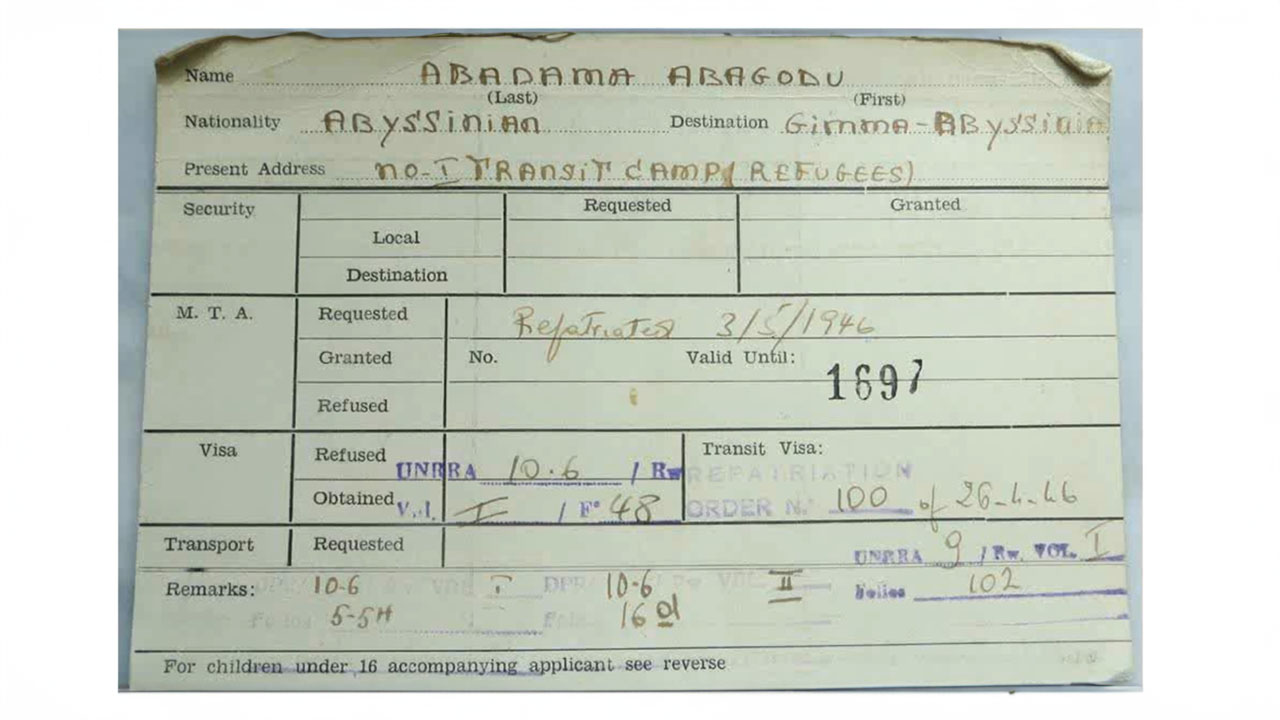
Attendees see how CWGC cemeteries often contain a mix of people: Commonwealth soldiers, allied nationals, civilians, UNRRA staff, Red Cross and YMCA workers, Merchant Navy personnel, and others. Case studies from Italy, Denmark, Poland, and even sections of the Salt Lake City Cemetery show how local burial registers, cemetery kiosks, and wall plaques can reveal non-CWGC and non-war deaths, including immigrants, hospital patients, and recruits serving under foreign commands. -
Connecting CWGC data to wider military and family research
The presentation emphasizes that CWGC is a starting point, not an endpoint. Viewers are introduced to monuments to the missing, current CWGC projects to identify unknown burials using DNA, and appeals for relatives to attend re-dedication ceremonies. The webinar then points to complementary resources—such as the CWGC app, war research guides, the CWGC archive, the International Committee of the Red Cross, national archives, and the presenter’s own cemetery databases—to deepen unit histories and individual biographies.
Genealogists with connections to Commonwealth or allied service members, or simply curious about the global footprint of 20th-century conflicts, are encouraged to watch the full webinar. Seeing live demonstrations of the CWGC website, cemetery registers, and real headstones provides clarity and confidence that cannot be captured fully in summary. After viewing, exploring the additional resources listed in the syllabus—linking directly to CWGC tools, research guides, and related archives—will help transform these ideas into a practical, step-by-step plan for uncovering wartime burials and integrating them into family history research.
Related webinars
 01:28:33
 01:22:35
 01:12:54
 01:27:41