

Content

Welcome
52s
Speaker's Introduction
33s
Introduction
14m 25s
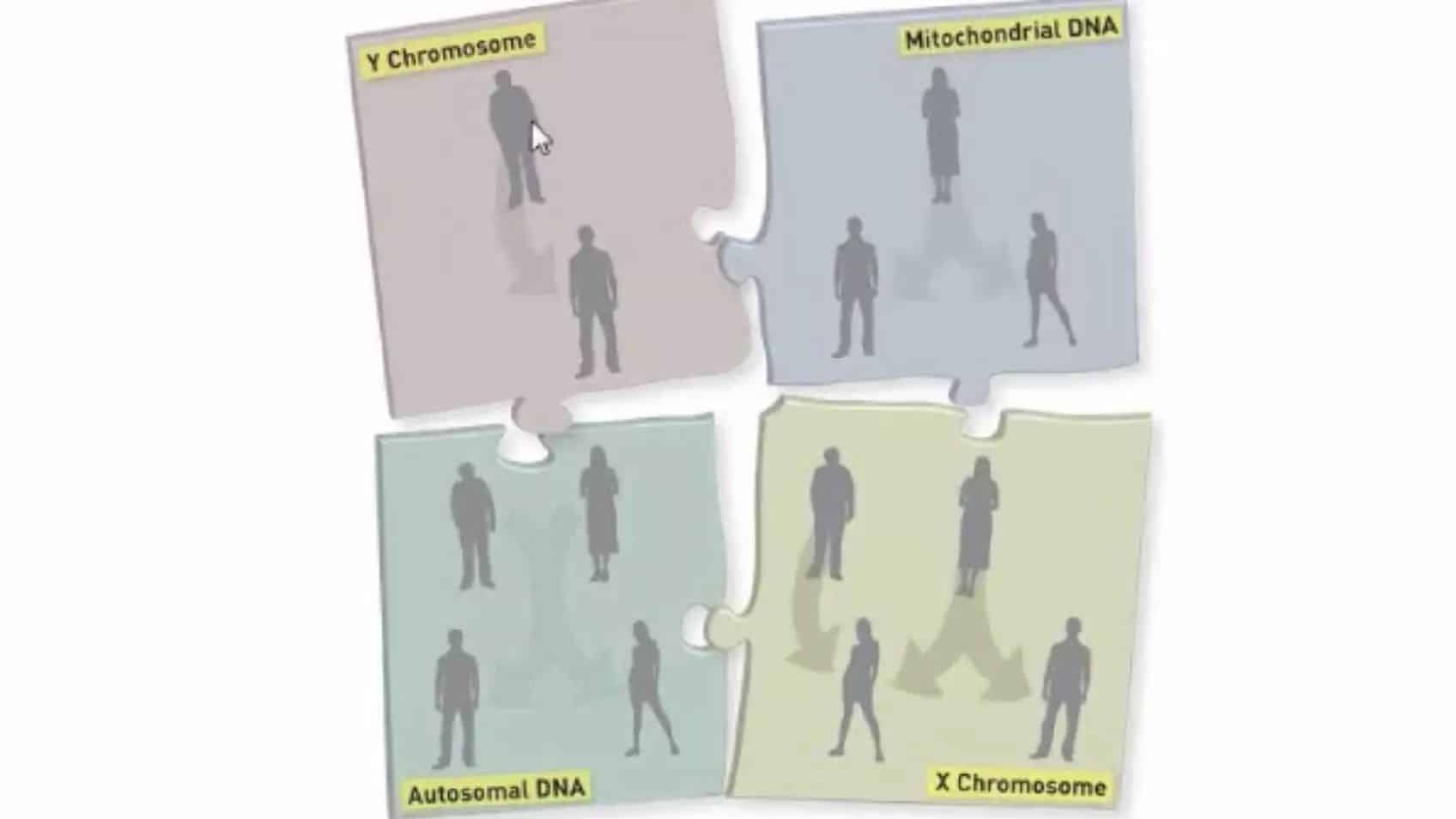
Chromosomes
4m 0s
Two Approaches
2m 5s
SNP Production
6m 3s
Commonly Confused Terms
4m 48s
Gedmatch
8m 29s
Genetic Genealogy Process
5m 43s
Announcements / prize
1m 0s
Questions / answers
3m 46s
About this webinar
Investigative, or Forensic, Genetic Genealogy (I/FGG) is the relatively recent application of traditional genetic genealogy skills, tools, and resources with the objective to assist Law Enforcement agencies in identifying unidentified human remains or suspects of violent crimes, among other cases. With this introduction, we will learn how I/FGG started, how it works, how is it different from traditional Forensic DNA Typing, and other traditional genealogical and genetic investigations used in criminal justice, and what changes are in place to ensure that I/FGG can be done safely, ethically, legally, and without compromising the privacy and integrity of the genetic genealogical community.
About the speaker

Dr. Ugo A. Perego is the owner of the Genetic Genealogy Consultant services, which specializes in helping genealogists with all their DNA needs. He is also a visiting scientist affiliated with the DNA...
Learn more...Related webinars
 01:29:48
 01:15:03
 01:13:41
 01:36:13
 1:37:00
 1:39:00
Comments (139)
Too little time
Alot of Information.
This lecture helped me better understand autosomal DNA.
So much information, so little time. This applies to all the webinars that I have attended, which have been all except ones in the wee hours of US Eastern Time. Every presentation has provided me with a new genealogy tidbit that I can apply to my research.
Very interesting! I didn't know about GED Match. I will consider submitting my DNA to the site.
Very interesting. This is my 3 or 4 webinar today. Loved every single one. Please do it again.
Lots of great informative information shared in this presentation
I would like to see case studies.