
Bridging the Generations: Connecting the Enslaved in Your Ancestor’s Records to Their Descendants
Cheri Hudson Passey

Content

About this webinar
About the speaker

Key points and insights
The webinar Bridging the Generations: Connecting the Enslaved in Your Ancestor's Records to Their Descendants, led by professional genealogist Cheri Hudson Passey, provides a compelling and practical guide for researchers seeking to uncover and reconnect the lives of enslaved individuals recorded in their ancestors' documents with their living descendants. Rooted in both personal experience and genealogical expertise, the presentation is a valuable resource for genealogists of all backgrounds—whether they descend from enslaved persons, enslavers, or both. With clarity and compassion, Passey outlines effective strategies and real-world case studies that illustrate how to overcome the gaps left by slavery’s historical legacy and reconstruct these fragmented family lines.
Key Insights from the Webinar:
-
Discovering the Enslaved in Unexpected Records
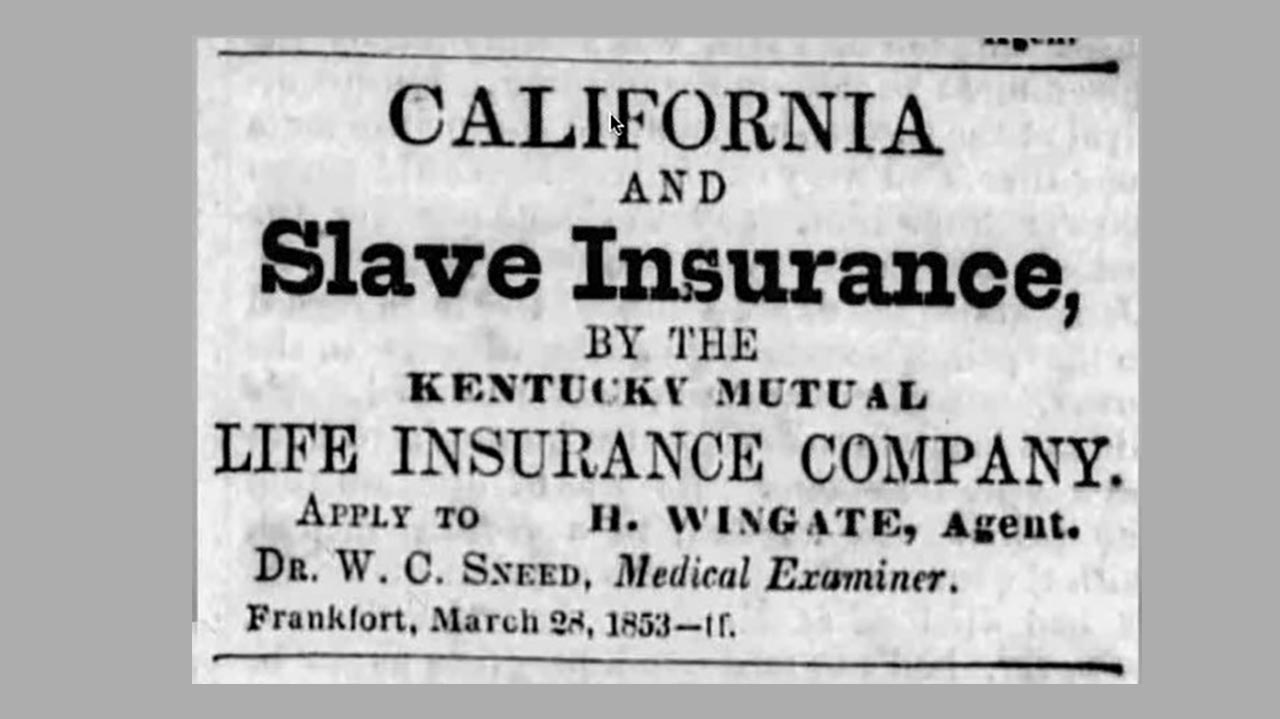
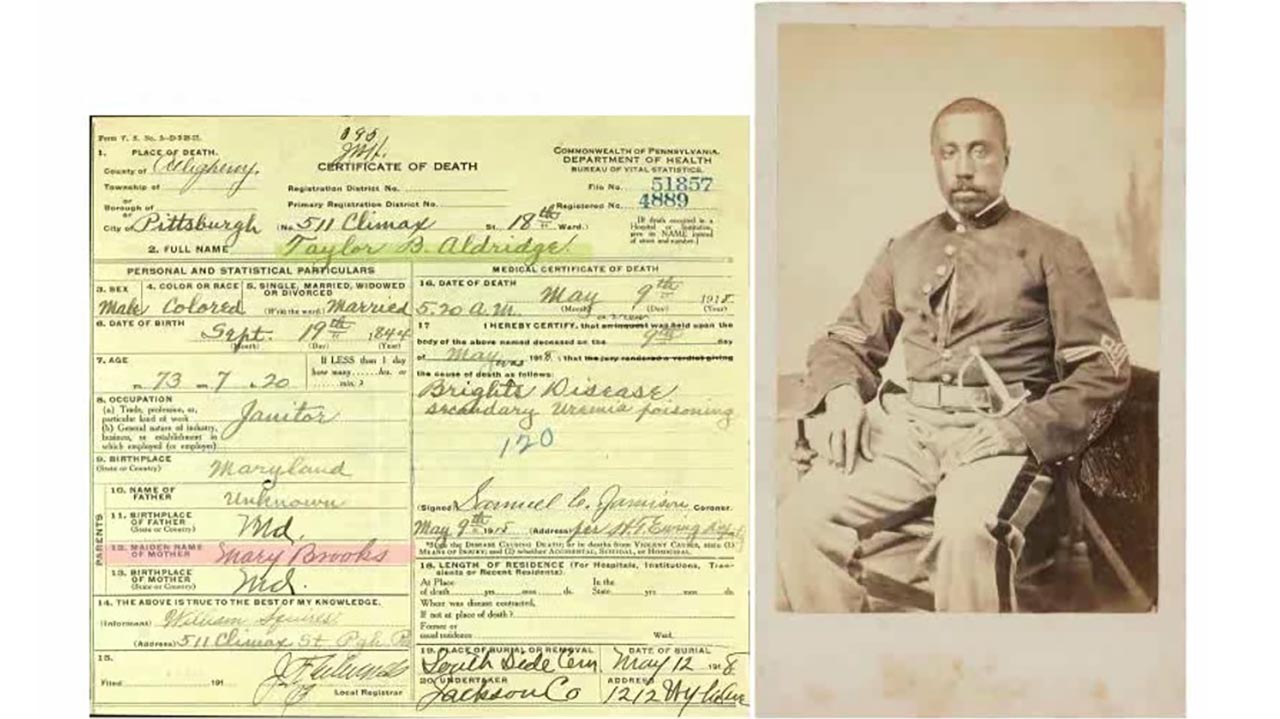
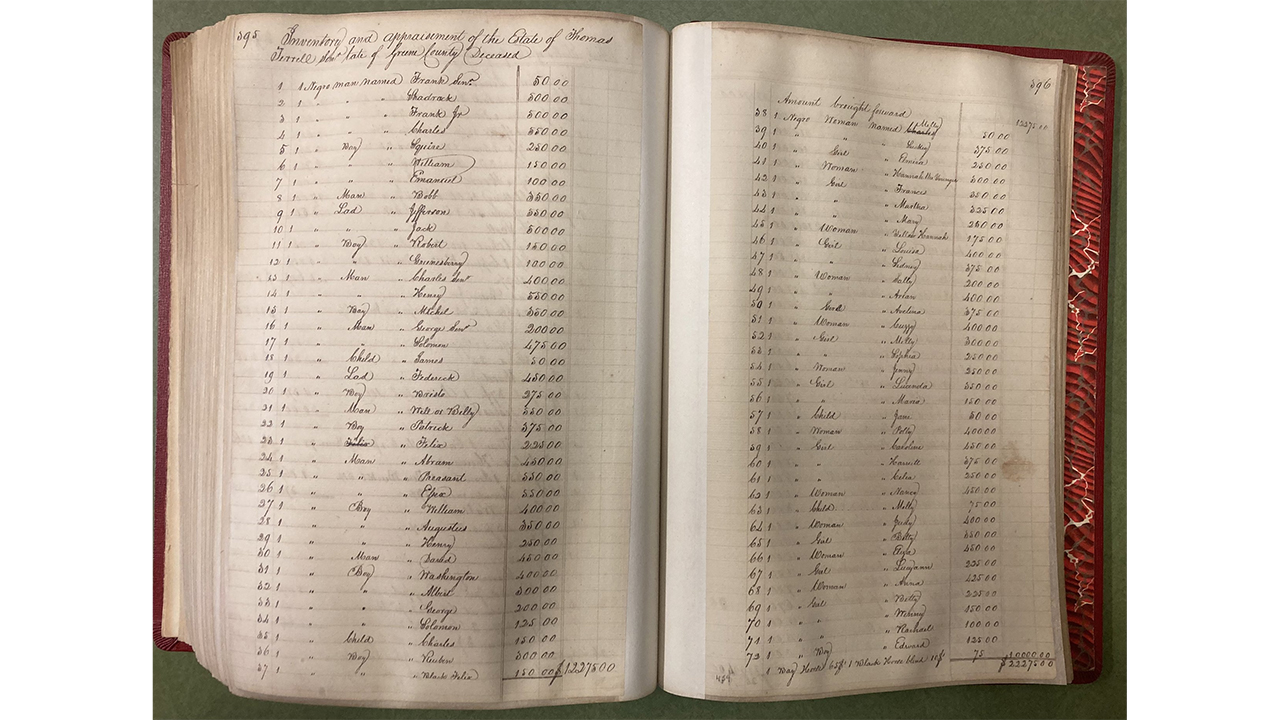
Passey demonstrates that enslaved individuals often appear in an array of records beyond wills and probate—such as deeds, mortgages, bills of sale, manumissions, and even newspaper advertisements. These records, often overlooked, can offer crucial clues to identity, movement, and familial relationships. She encourages researchers to analyze patterns, track name changes, and consider neighboring landowners to identify potential connections. -
Leveraging Post-Emancipation Sources to Build Bridges
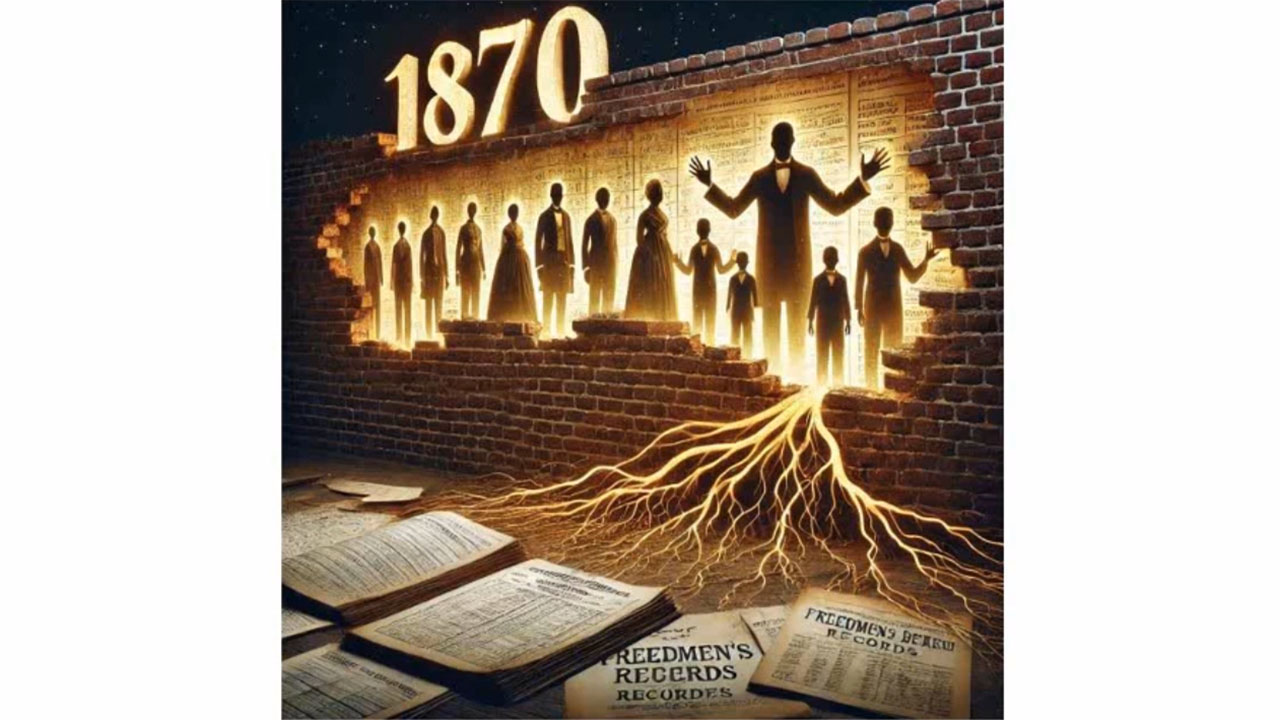
The webinar emphasizes the importance of Reconstruction-era documents—particularly the Freedmen’s Bureau, Freedmen’s Bank, and Southern Claims Commission records—as tools to link formerly enslaved individuals to their lives after emancipation. These sources often contain testimonies, labor contracts, and financial interactions that reveal familial ties and community relationships not captured elsewhere. -
Practical Strategies for Tracing Both Upward and Downward
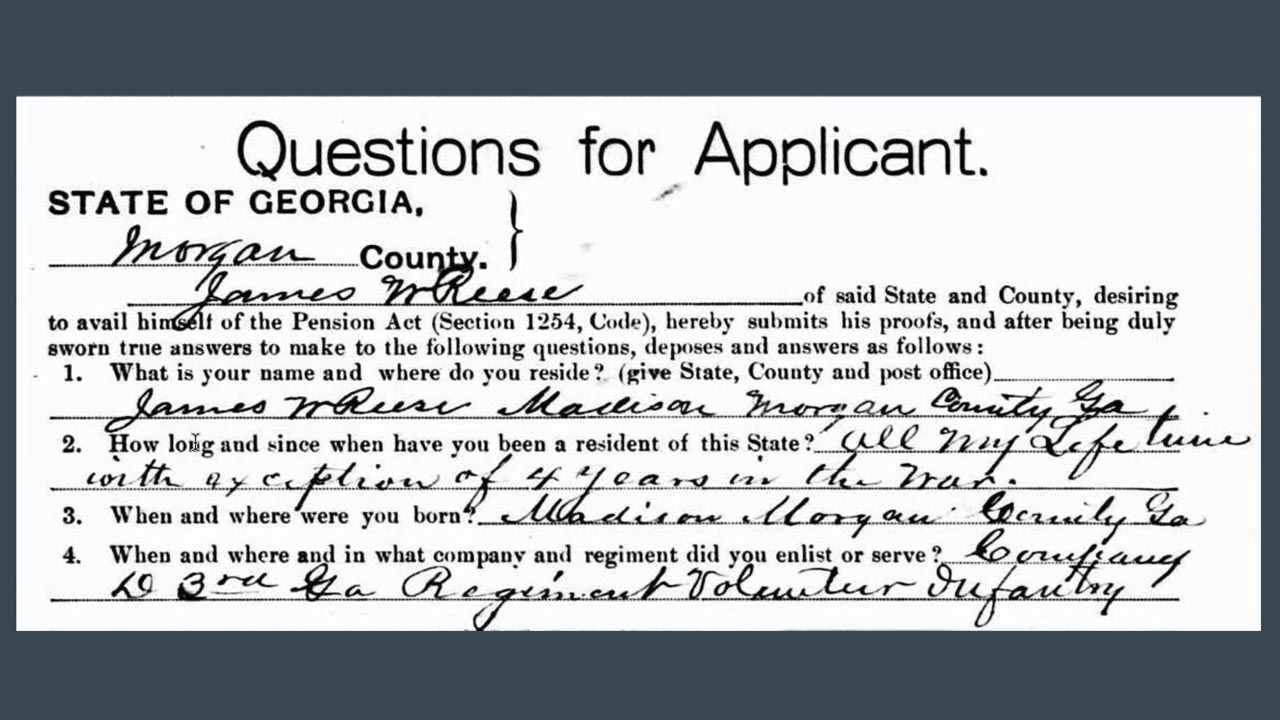
Passey offers actionable guidance for both descendants of the enslaved seeking to identify enslavers and descendants of enslavers wishing to trace the lives of those once held in bondage. She outlines methodologies for tracking lineage forward to the present or backward to the pre-1870 era, including how to use census data, naming patterns, DNA, and collaborative research to confirm connections.
Cheri Hudson Passey’s presentation is both a call to action and a roadmap for those ready to confront the painful truths in their family history and turn them into bridges of understanding and reconnection. Her case studies—including the powerful story of identifying a mother for an enslaved woman through estate and probate records—underscore the emotional depth and historical significance of this work.
To deepen your understanding and gain access to the research tools, examples, and guidance shared during this informative session, viewers are encouraged to watch the full webinar. The accompanying syllabus is rich with additional resources, links, and record suggestions that will enhance any genealogist’s ability to contribute meaningfully to the process of historical recovery and healing.
Related webinars
 01:20:49
 01:14:53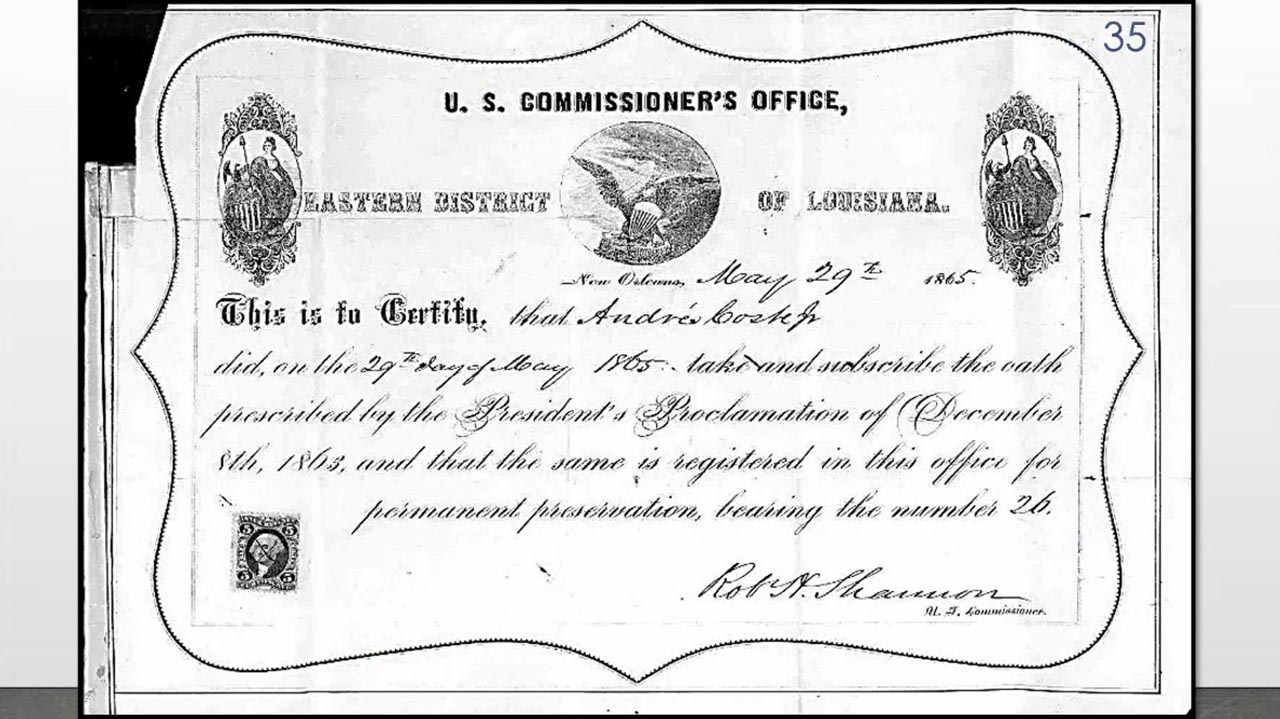
 00:43:20
 01:27:42
Comments (28)
my late husband desperately wanted to learn how the people who were enslaved by his ancestors fared after the civil war. he would have been so excited to attend this webinar. it's my goal to carry on this project.
Always learning from these webinars. Appreciate the excellent presenters.
Excellent presentation on techniques to connect the enslaved with their descendants post-slavery.
Lots of helpful information!
After this, I feel like I know what to do next, always a good thing. Also appreciated her enthusiasm and encouragement.
It gave me some great ideas but I am not american I can't use some of those resources.
As a professional genealogist, thank you for the great tips that will help me connect formerly enslaved individuals to their enslavers.
Excellent workshop!