

Civil War Records: What is a Reasonably Exhaustive Search?
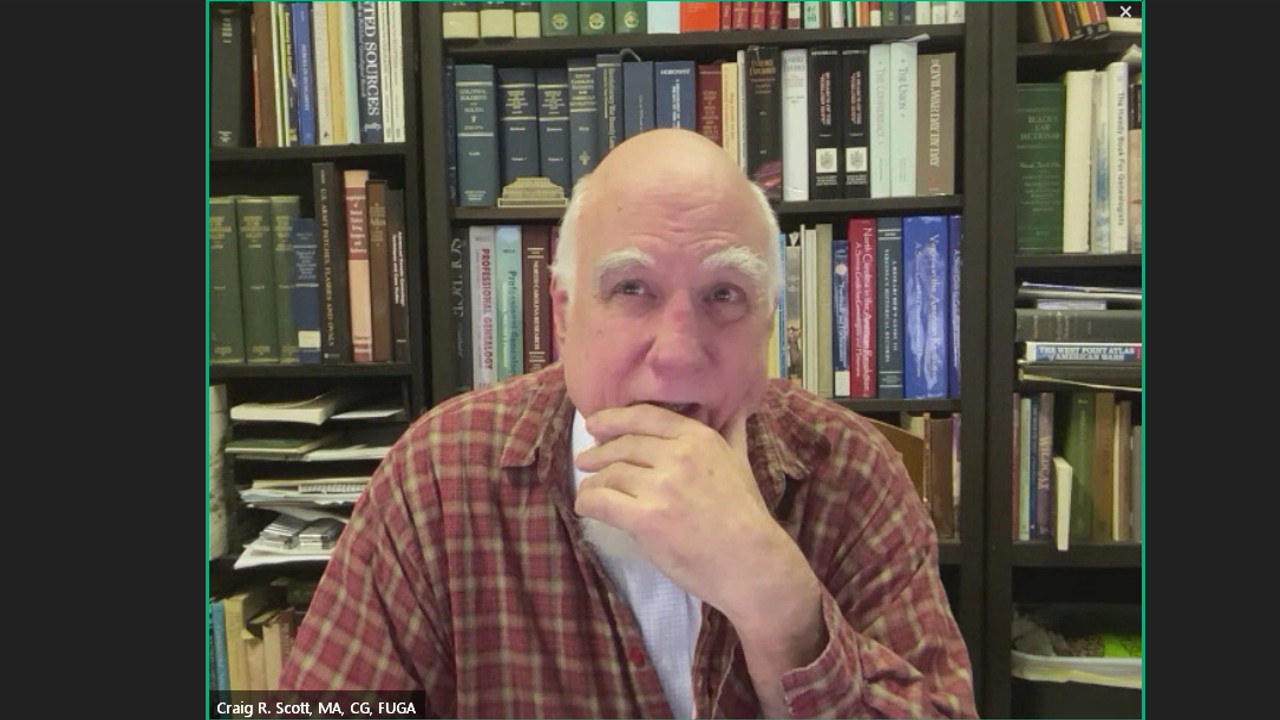
Craig R. Scott, MA, CG®, FUGA

Content

About this webinar
About the speaker

Key points and insights
In this engaging and information-rich webinar, acclaimed genealogist and military records expert Craig Scott takes researchers on a thorough exploration of Civil War records, emphasizing the importance of conducting a "reasonably exhaustive search." Hosted by the Board for Certification of Genealogists (BCG), the session is not just a primer on Civil War military records—it is a strategic guide to uncovering valuable genealogical information hidden in overlooked or misunderstood sources. Whether you're researching a Union or Confederate ancestor, this webinar offers transformative insights that can elevate your military genealogy research.
Key Takeaways from the Webinar:
-
Beyond the Basics: A Broader View of Civil War Records Craig challenges the common notion that Civil War research begins and ends with Compiled Military Service Records (CMSRs) and pension files. Instead, he introduces a multi-layered approach, incorporating burial records, regimental histories, hospital registers, and post-war documents. His methodology includes tracing a soldier’s service through unit histories, identifying family relationships via pension files, and understanding service context through strategic literature reviews.
-
Strategic Research Begins with Civil Context Effective research requires understanding the war itself—timelines, military structures, enlistment patterns, and regional affiliations. Craig stresses the importance of identifying eligible soldiers within a family tree, particularly men born between 1835 and 1845. He provides a replicable research process starting with census and burial records, followed by identification of military units, service records, and post-war resources like the 1890 Veteran Schedule and Homestead Act records.
-
Tools, Techniques, and Little-Known Resources The webinar features a wealth of tools, including the Soldiers and Sailors Database, ANC Explorer, Fold3, Ancestry's military collections, and specialized finding aids from the National Archives. Craig also highlights overlooked sources like Record and Pension Office correspondence, court martial records, Confederate pension indexes, and even fraternal organization artifacts. He shares real-life examples, including how his own family history was reshaped by a single overlooked pension record.
Ready to Take Your Research Further?
Watch the full webinar to learn Craig Scott’s complete framework for conducting thorough Civil War genealogical research. His expert guidance reveals hidden clues that can help you confidently identify the right ancestor and understand their military journey in depth. Whether you're solving a long-standing mystery or verifying a family legend, this webinar equips you with the tools to succeed.
Be sure to explore the comprehensive syllabus included with the presentation. It contains valuable links, reference guides, and citations to primary sources discussed throughout the session—an indispensable companion for anyone serious about military genealogy.
Related webinars
 00:53:19
 01:28:33
 01:22:35
 01:12:54
 01:27:41
Comments (73)
Excellent. So much good information and presented well. Time well spent. Will need to review this!!!
Excellent information. Thanks so much for sharing.
Very helpful guidance.
Lots of detailed information on where to look for information, and different locations depending on if they were a Union or Confederate soldier. The range of sources covered was very broad.
Very thorough and well organized. No fluff— packed with information, including where to find the records mentioned.
Good webinar, sure qualifies for exhaustive research.
Craig's answer about how the attorneys got paid makes perfect sense, both for the government limiting how much the attorneys could charge to their payment coming out of any benefits they secured for the individuals. Some might do it pro bono like I did when helping a client with a Social Security appeal, but most probably wanted to be paid.
excellent