
Cluster Research Using the FAN Principle (2025 Reisinger Lecture)
Michelle Goodrum, CG®

Content

About this webinar
About the speaker

Key points and insights
In this insightful webinar from the 2025 Reisinger Lecture Series, Michelle Goodrum, CG, presents “Cluster Research Using the FAN Principle,” a powerful session on how to uncover elusive ancestors by analyzing their broader social and familial networks. Drawing from decades of genealogical experience, Goodrum explores how expanding research beyond a single ancestor—through the study of Family, Associates, and Neighbors (FAN)—can solve complex genealogical puzzles, verify identities, and reconstruct fragmented family histories. Through real-world case studies, she demonstrates how careful documentation, critical analysis, and persistence yield credible, well-supported genealogical conclusions.
Key Takeaways:
-
The FAN Principle in Action: Goodrum explains how to identify and investigate an ancestor’s extended network—relatives, close associates, and neighbors—to build context and uncover missing information. Using the “ripples in a pond” analogy, she shows how starting from a research subject and expanding outward can reveal hidden relationships, migrations, and patterns that traditional linear research might overlook.
-
Developing Focused Research Questions: A central theme of the lecture is the importance of crafting specific, testable research questions guided by the Genealogical Proof Standard. Goodrum provides clear examples illustrating how to refine broad inquiries—such as identifying a parent or origin—into focused questions that lead to verifiable conclusions and avoid circular reasoning.
-
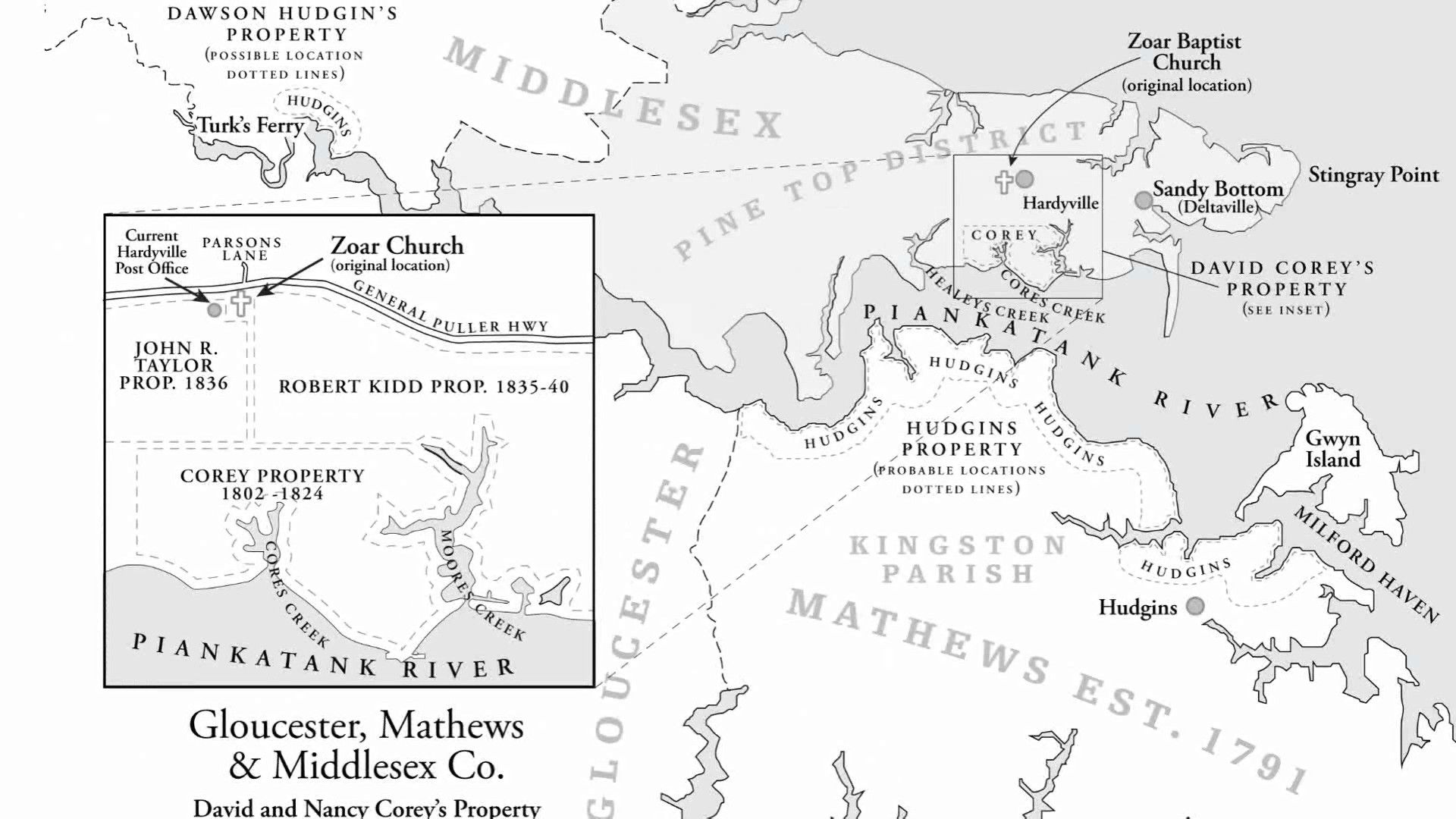
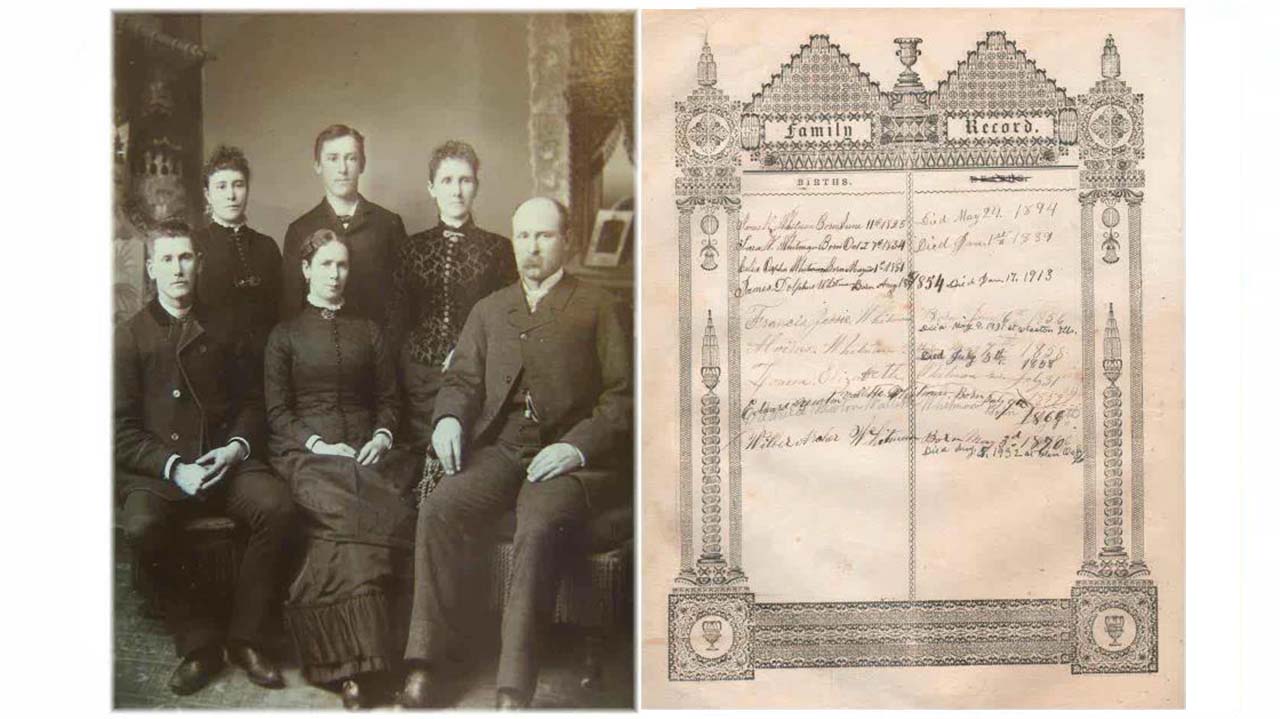
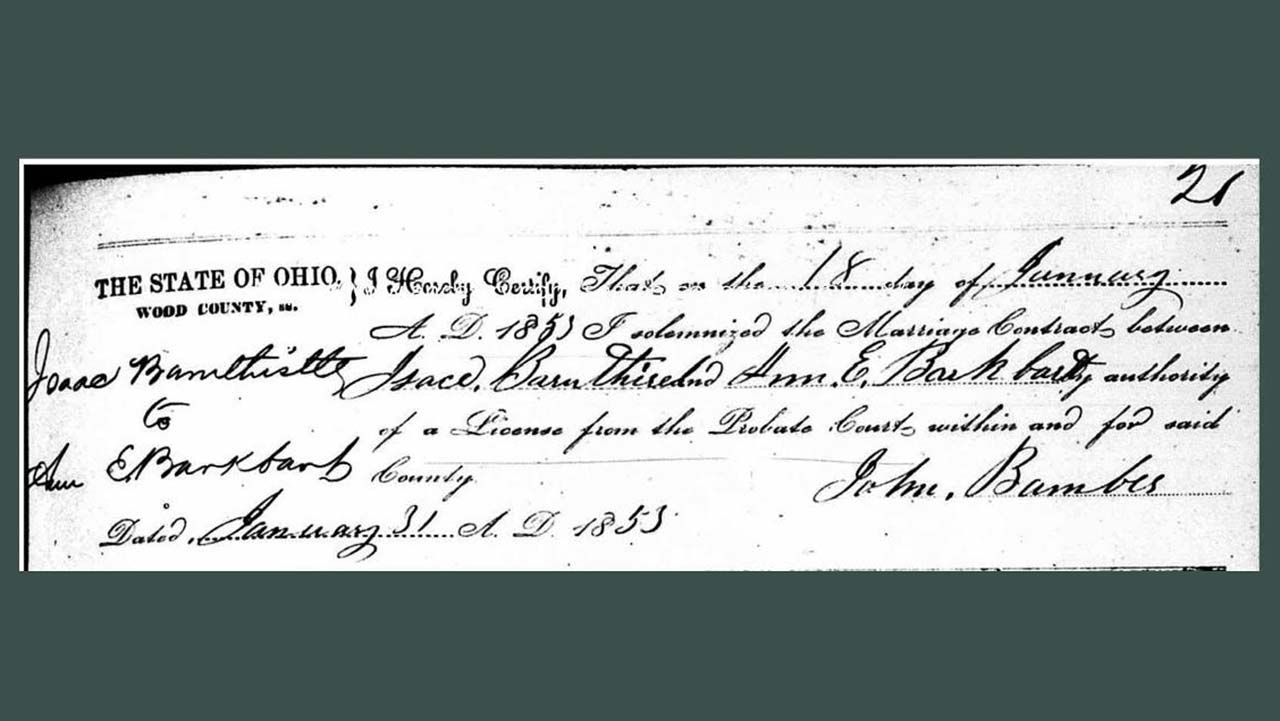
Case Studies that Illuminate Methodology: Through detailed investigations of the Mitchell and Ballinger families, Goodrum demonstrates how to separate individuals with common names, trace family movements across states and countries, and corroborate indirect evidence. Her use of maps, timelines, land and census records, and mind-mapping tools illustrates practical techniques for managing complex data and drawing logical connections across generations.
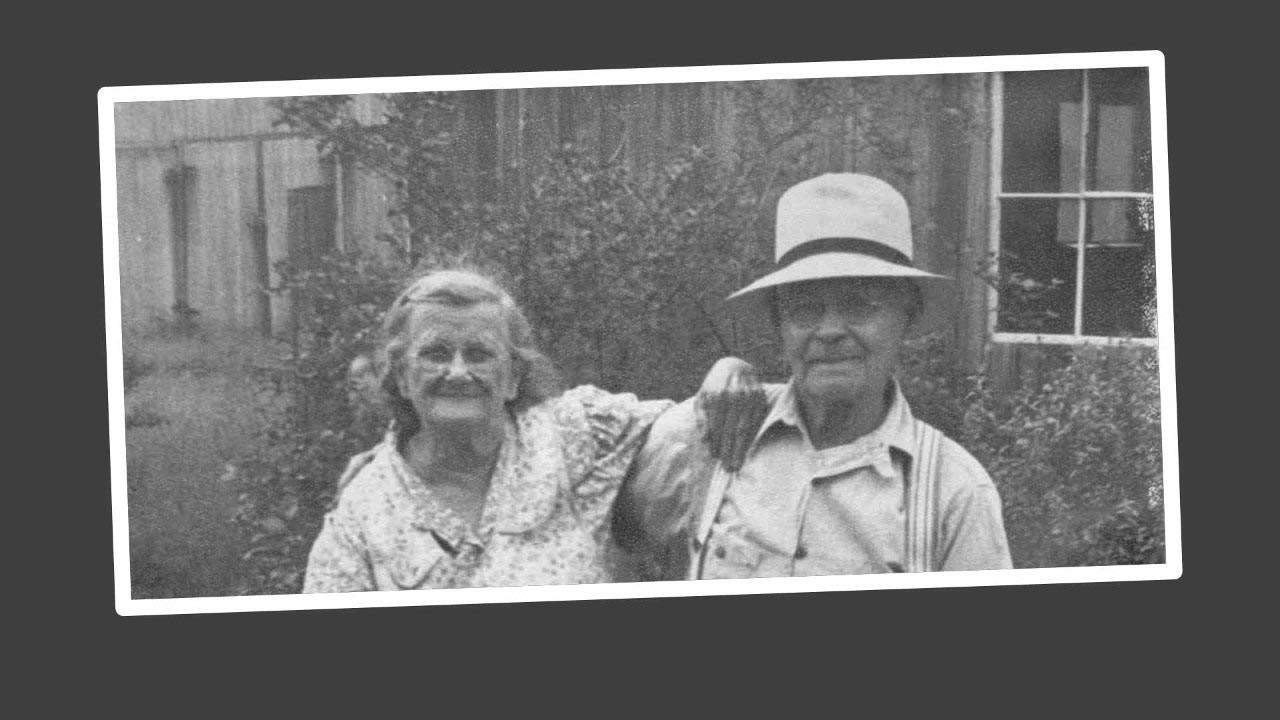
Goodrum’s systematic, example-driven approach empowers genealogists to think critically about their evidence and embrace the value of community context. She emphasizes that every record—whether a delayed birth certificate, land deed, or school census—can yield multiple layers of evidence when examined within a broader social network.
To gain the full benefit of Goodrum’s practical strategies and see the FAN principle applied in real-time problem solving, viewers are encouraged to watch the complete webinar. It provides a comprehensive framework for applying cluster research to even the most challenging genealogical problems. Attendees are also invited to explore the syllabus and supplemental resources, which include sample templates, record lists, and research tools designed to strengthen analytical and organizational skills in family history research.
Related webinars
 01:05:33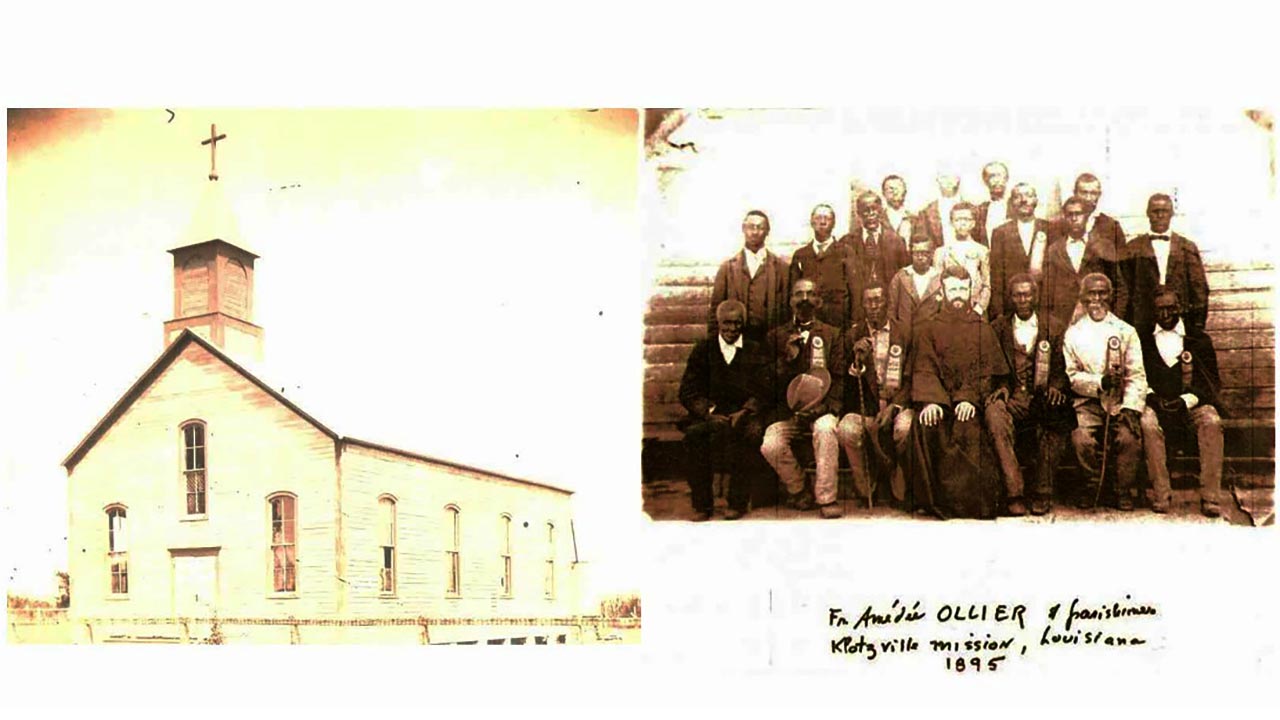


Comments (56)
Very interesting. She gave good examples on how researching FAN principles can lead to solving many problems
Great presentation about cluster research - how and why to use this method. Thank you!
good info but complicated subject!
Thanks for all the visual maps and charts. Very helpful!
A helpful review. Now I just need to find some FAN club members for my biggest brick wall!
I haven't heard anything that would be useful for my own research
The examples used were really helpful in illustrating exactly what FAN research should include. Great webinar!
Very clear explanations and great visuals in the slides. The mind mapping approach intrigues me and I intend to try it! Thanks.