

Content

About this webinar
About the speaker

Key points and insights
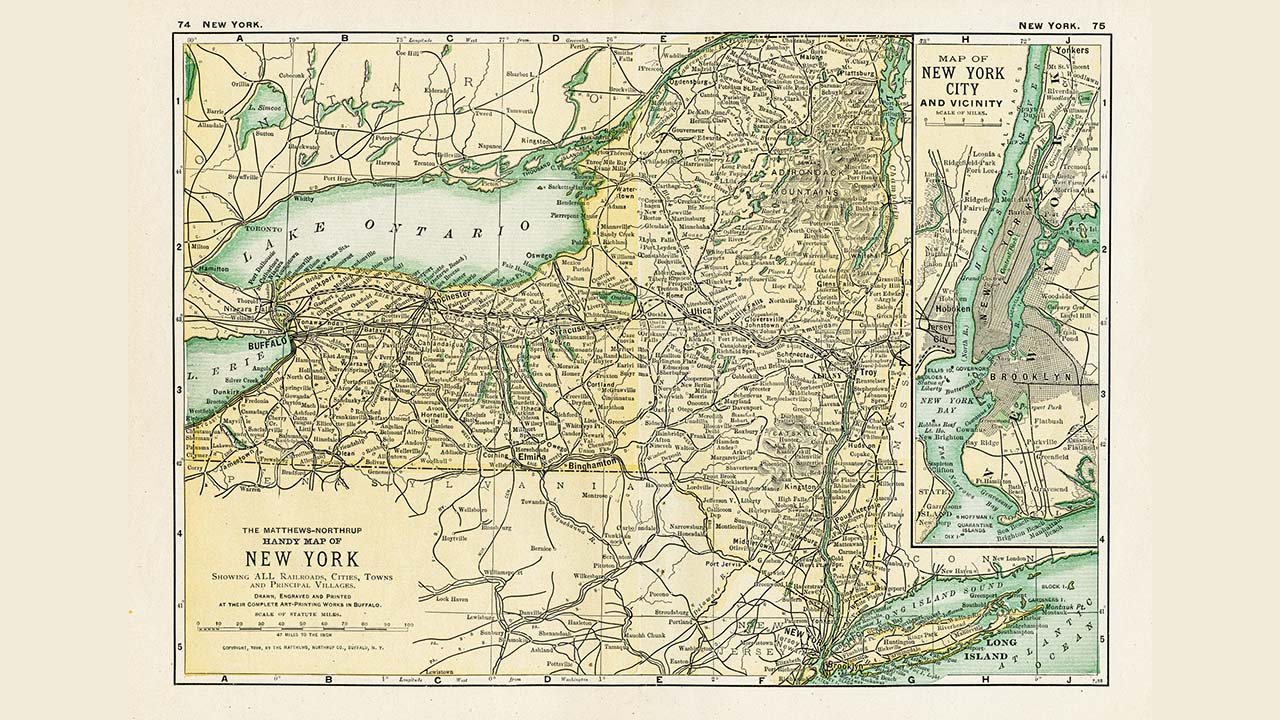
In this engaging webinar, professional genealogist Kory Meyerink delves into the complexities and rewards of researching ancestors in colonial New York. Addressing one of the most challenging regions for genealogists, Meyerink explains how understanding the state’s settlement history, shifting jurisdictions, and diverse ethnic origins—Dutch, English, German, and Huguenot—is crucial to overcoming research roadblocks. Combining decades of professional experience with practical instruction, he guides viewers through effective research strategies, emphasizing both foundational principles and powerful tools for uncovering elusive colonial ancestors.
Key Takeaways
-
Master the “Sources and Situations” Framework: Successful genealogical research depends on grasping two essentials—what records exist for a specific time and place, and the historical and cultural context in which ancestors lived. In colonial New York, where records are fragmented and multiethnic influences abound, this dual understanding is the key to meaningful discoveries.
-
Leverage Specialized Tools and Repositories: Meyerink highlights essential references for New York research, including the New York Family History Research Guide and Gazetteer, the New York State Archives Guide, and the FamilySearch Research Wiki. He also stresses the importance of indexes like PERSI, the Ancestry Card Catalog, and local histories that reveal hidden details about settlers, manors, and migrations.
-
Pursue Broader Evidence and Genetic Clues: Colonial-era gaps require creativity—using church and land records, wills, tax lists, and published family histories to build context. Meyerink also demonstrates how Y-DNA testing can identify ancestral connections and migration paths when documentary trails run cold, illustrating this through his own case study of the Spencer family.
Viewers are encouraged to watch the full webinar to gain step-by-step guidance, see record examples, and learn how to apply these strategies directly to their own colonial research. Meyerink’s clear explanations and resource recommendations make this session a vital resource for anyone tracing New York roots before 1776.
To deepen your understanding and apply the techniques discussed, explore the extensive syllabus and recommended resources included with the webinar. These materials provide direct links to databases, archives, and publications that can elevate your colonial New York research to new levels of accuracy and insight.
Related webinars
 01:13:57
 01:31:30
 1:50:00
 01:20:49
 00:53:12
 00:58:01
 01:26:37
Comments (37)
So much helpful, new information on researching New York ancestors. I look forward to checking out all the available information online.
Great intro to available sources. Presentation clear and easy to understand.
The most helpful webinar for me ever!! I have New York ancestors I have been stuck on for a long time and this webinar has given me so many hopeful ideas for finding them. Thank you!
Excellent!
Great resources shared that I didn't realize existed and Iv'e been doing research for nearly 40 years.
Very comprehensive, very fast. Glad I have the FamilyTreeWeinars membership so I can all the important details from the syllabus and webinar re-play.
lots of good information for a difficult period
I would be surprised if the attendees broke or really slowed down the response times of some of the websites he highlighted after the webinar ended. Tremendous amount of information presented in a clear and engaging manor. I can only hope he or someone else can do the same for the other colonial states. And if he or anyone else runs over, it's worth staying around for AND I miss the After webinar with Geoff series.