
Early British and Irish Census Project
Amy Harris, PhD, AG®, Kyra Bryant

Content

About this webinar
About the speakers


Key points and insights
In this engaging webinar hosted by Legacy Family Tree Webinars, historian Amy Harris and student researcher Kyra Bryant introduce the Early British and Irish Census Project—a groundbreaking initiative from Brigham Young University’s Center for Family History and Genealogy. Designed to uncover and digitize pre-1841 census records, this project is transforming how genealogists and historians access and interpret early population data across England, Ireland, Scotland, and Wales. By reconstructing fragmented local enumerations once thought lost, the team is building a free, searchable database that already includes over 325,000 names—with an ultimate goal of one million individuals. For anyone tracing ancestors in the British Isles before official national censuses began, this work offers a vital new bridge between parish records and later civil documentation.
Key Takeaways:
-
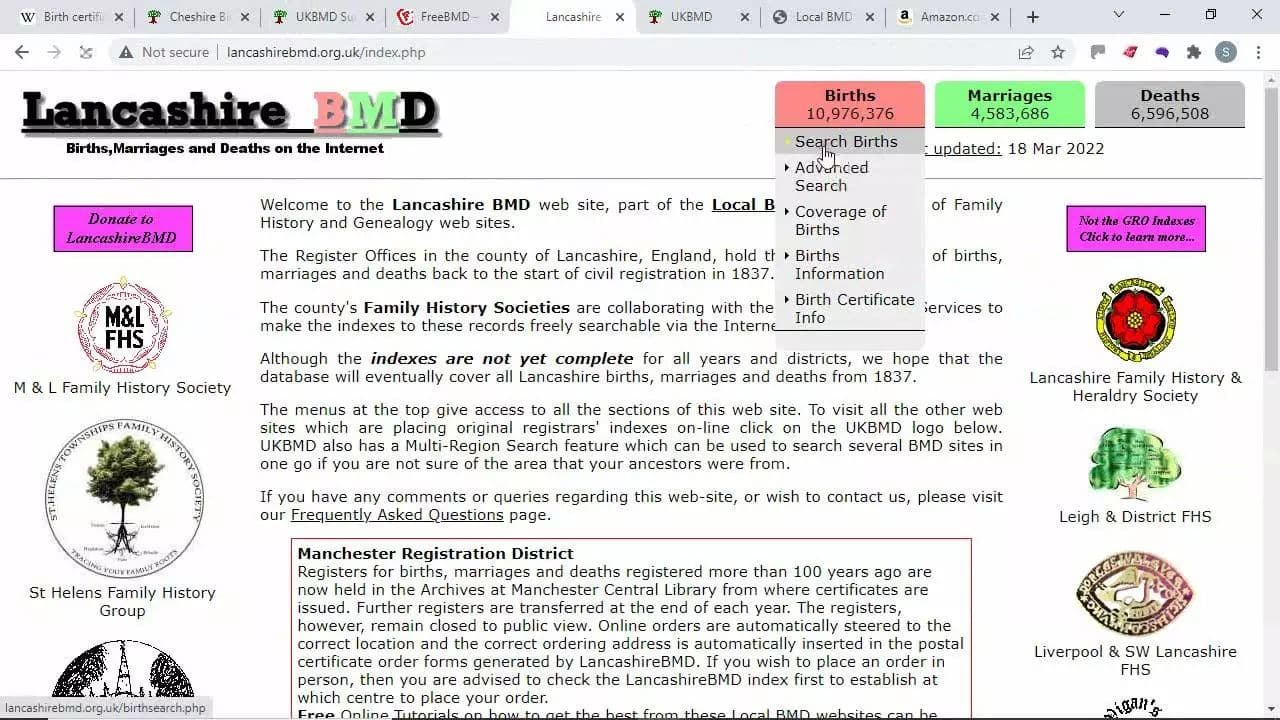
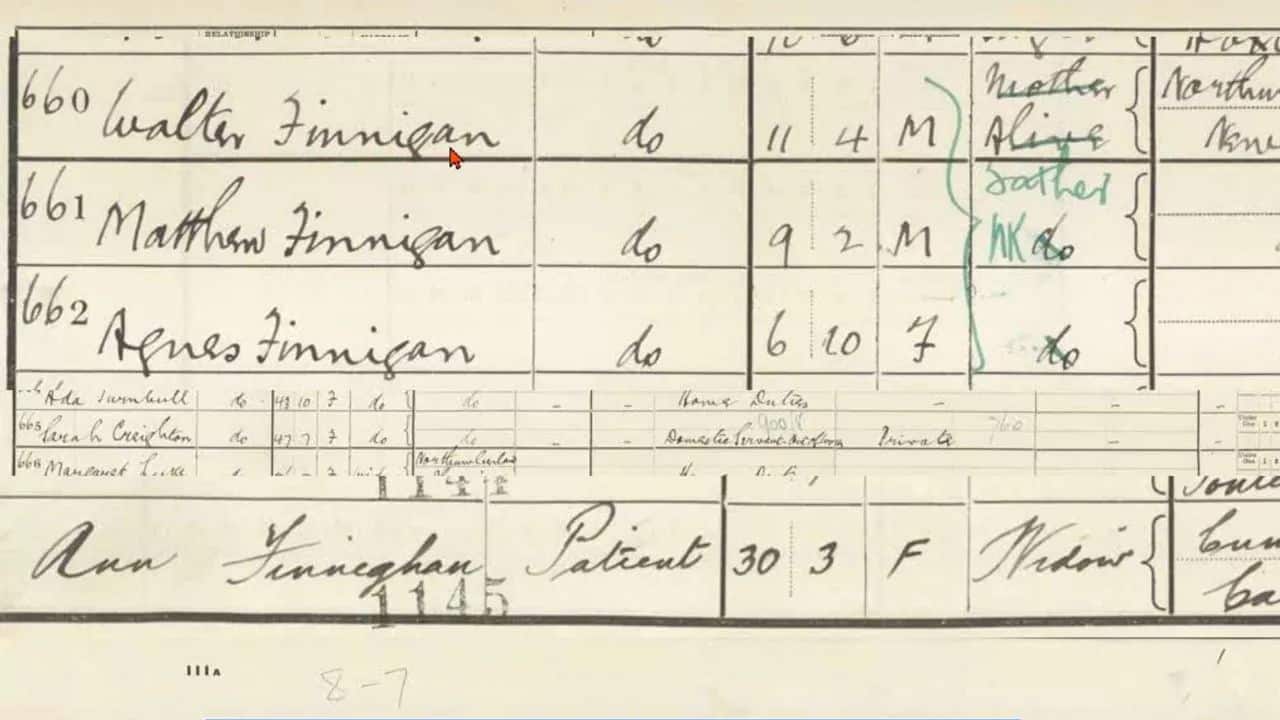
A Rediscovery of Early Census Treasures: Harris and Bryant detail how their team locates, digitizes, and indexes thousands of parish-level census returns from 1801–1831 that uniquely list individuals by name. Scattered across more than 100 archives—and sometimes held in private collections—these records shed light on communities often missing from national datasets.
-
Innovative Collaboration and Methodology: The project blends academic rigor with student training, providing BYU undergraduates hands-on archival experience in the U.K. Each document is photographed, transcribed, verified, and entered into a sophisticated database that supports basic and advanced searches by name, place, occupation, and more—empowering both genealogical and demographic research.
-
Historical and Genealogical Impact: Beyond tracing family lines, the database enables broader social insights—such as women’s occupational roles, mobility during industrialization, and demographic shifts before civil registration. Harris emphasizes that this collection can illuminate family structures and local economies in ways traditional censuses cannot, particularly for those seeking to bridge the gap between 18th- and 19th-century records.
Viewers are encouraged to explore the Early British and Irish Census Project website, where the database is freely accessible and continuously updated as new records from Ireland, Scotland, and Wales are added. Engaging with the full webinar provides valuable guidance on using the site’s tools effectively and understanding the nuances of these early censuses.
Genealogists are also invited to delve into the syllabus resources accompanying the presentation—rich with research tips, record links, and further reading on early British population studies. Whether tracing a single ancestor or studying entire communities, this innovative project opens new pathways for uncovering stories long buried in Britain’s archival past.
Related webinars
 01:04:05
 01:07:23
 01:15:03
 01:25:12
 00:56:25
 01:32:27
 01:06:29
 00:53:51
Comments (50)
Incroyable ! En accédant à la base de données, et saisissant le nom de DUFY, DUFFY, O'DUFFY, O'DUFY, et en précisant le pays d'Irlande, aucun enregistrement n'est trouvé, alors que ce nom est aussi courant en Irlande que DURAND en France ! Pourquoi ? ais-je mal saisi les critères de recherche ?
Comme indiqué lors du webinaire, la plupart des documents irlandais n'ont pas encore été ajoutés. Consultez-les régulièrement l'année prochaine.
Thank you to both presenters.
Cool database, fabulous idea!
Very interesting! But my ancestors came to this country much earlier than the 1800s, so may not be very helpful for me. However, I will keep it in my list of tricks and share with others.
Thank you for sharing the information about this exciting project. Even though the Project database does not connect directly to Family Search, couldn't it be added as another website link to the other links that are accessible from a Family Search Center (along with Ancestry, Fold3, etc.)? With caveats about completeness and accuracy, of course. Any information that could help us find or confirm an ancestor is precious!
Great insights into how to build a research project database.
Great resource to know about
Will definitely be checking out the website. But haven't got that far yet in my tree. But DNA tells me that I will be when I get back far enough.