

Elusive Ancestors: Never Too Poor to Trace
Elizabeth Shown Mills, CG, CGL

Content

Welcome
49s
Speaker's Introduction
57s
Introduction
3m 20s
Background on types of "poor" ancestors
14m 3s
Special Resources for "Poor" Ancestors
30m 30s
Research Principles
12m 5s
Announcements / prizes
4m 11s
Questions / answers
5m 35s
About this webinar
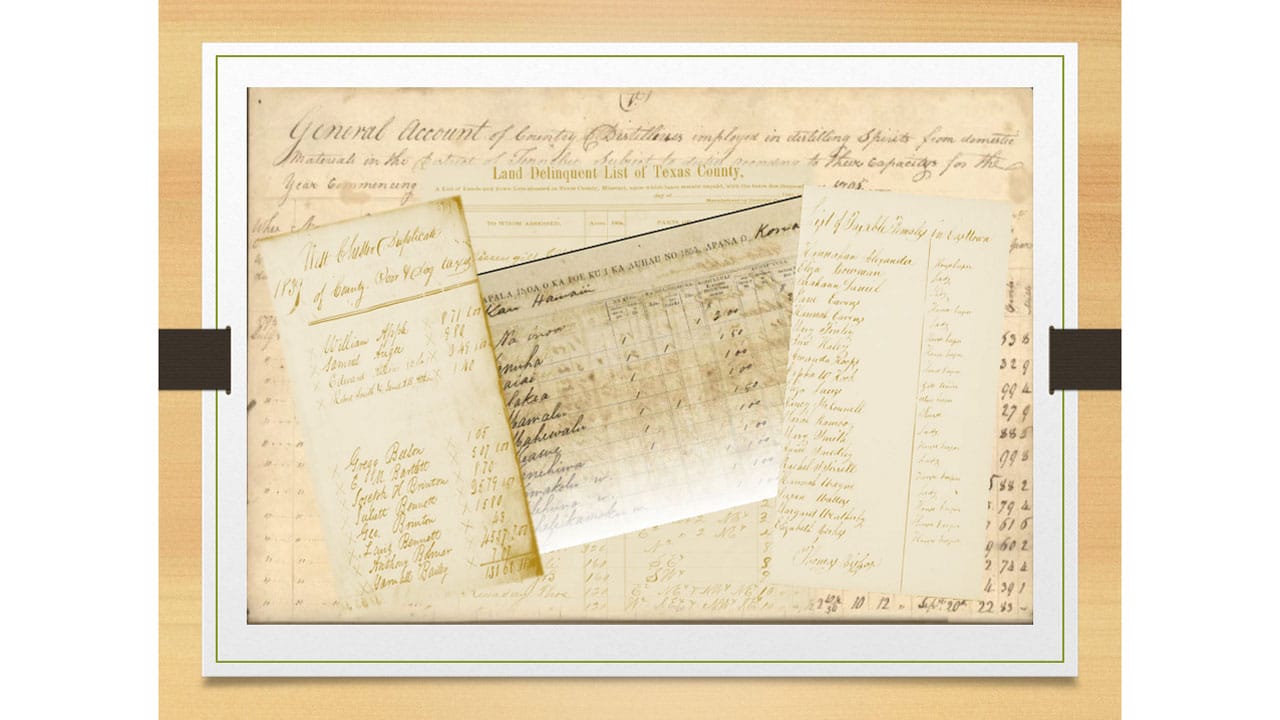
Everyone has ancestors who seem to mysteriously appear and then dissolve into the ether, existing nowhere except a family story, a census, or a Bible entry. When deeds, wills, and other standard records fail to yield more information, “too poor to trace!” is a common conclusion—but a wrong one. Many neglected sources include propertyless men, women, and children. This class explores those sources and defines strategies we can use to develop clues, even from records that do not specifically name our ancestors.
About the speaker

Across a long career, Elizabeth Shown Mills, CG, CGL, FASG, FUGA, FNGS, has been an innovator of research methods and strategies. Published widely by academic and popular presses, she edited a nationa...
Learn more...Related webinars
 01:29:55
 01:20:53
 01:14:55

 01:14:47
Comments (202)
Definitely a must see! Thank you!
I think this may be one of the best lectures I've ever heard on anything. Simply brilliant!
I have stumbled across some of these sources that helped immensely with my obscure ancestors, but ESM’s organized, comprehensive approach gives me confidence to use this method more rigorously. Thank you!
Thank you. I am researching colonial "poor" ancestors with very common names like Cook, Black, Cooper. You have given me new tools.
Packed wide and deep with suggestions for research. Especially valuable reminder not to assume the cultural values of all ancestors will agree with those of other ancestors, or with ours today. Thank you!
This was an excellent presentation! So happy I tuned in :)
Thank you ESM for yet again encouraging me to think left of centre to find those "poor" ancestors who up until now have been elusive and for me to seek out those unindexed and non digitised records that must surrounding that earliest known location. Thank you so much.\nPS And thank you GR for making this available so quickly - life got in the way of watching this live.
Always a good presentation by Elizabeth, learn something new everytime.