

Finding your family's footprints in Ireland
Maggie Gaffney

Content

About this webinar
About the speaker

Key points and insights
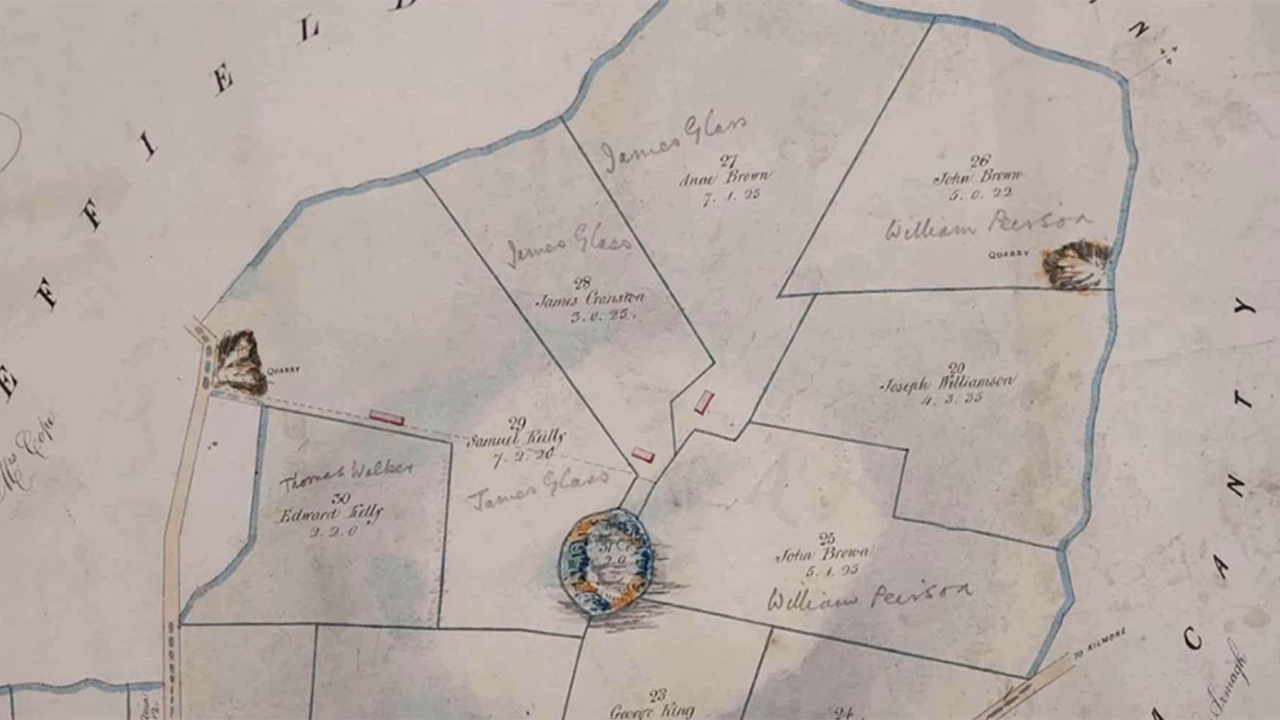
Irish genealogical research is often considered a formidable challenge due to the destruction of significant census records in 1922, but this webinar expertly reframes the process, proving that a wealth of information survives and is readily accessible. The session focuses on leveraging property and tax records—specifically Griffith’s Valuation (1847-1864), which lists every occupier and lessor, and the subsequent Cancelled Land Books—as powerful census substitutes. This paper trail is vital for understanding land tenure and tracking changes in occupancy year by year, effectively bridging the gap between the Valuation and the surviving 1901 and 1911 censuses. Crucially, the webinar emphasizes the necessity of collating every scrap of available information from foreign records before diving into the Irish archives. Successful research relies heavily on identifying the exact townland, parish, or Poor Law Union by analyzing sibling, sponsor, witness, and neighbor records (the "fan club" network) created after immigration, a strategy that provides the specificity needed to successfully navigate the Irish records and trace a family's presence to the precise townland. Researchers are also encouraged to utilize historical resources like Samuel Lewis's Topographical Dictionary of Ireland and the surviving census reports to establish the social, economic, and demographic context of their ancestral place.
Key Takeaways for Irish Research
- Land Divisions are Everything: Understanding the hierarchy of provinces, counties, baronies, civil parishes, Catholic parishes, and, most critically, the smallest official unit—the townland—is essential for targeted record searching.
- The Power of the Fan Club: Place names are often discovered not through the primary ancestor, but through the consistent use of family members (siblings, in-laws, godparents, and marriage witnesses) who appear together across multiple records, confirming a shared geographic origin.
- Property as a Time Machine: Griffith’s Valuation maps, especially when overlaid with modern satellite imagery on sites like Ask About Ireland, allow researchers to visually pinpoint the exact plot of land or building lot their ancestor occupied, sometimes revealing structures that still stand today.
Related webinars
 01:15:47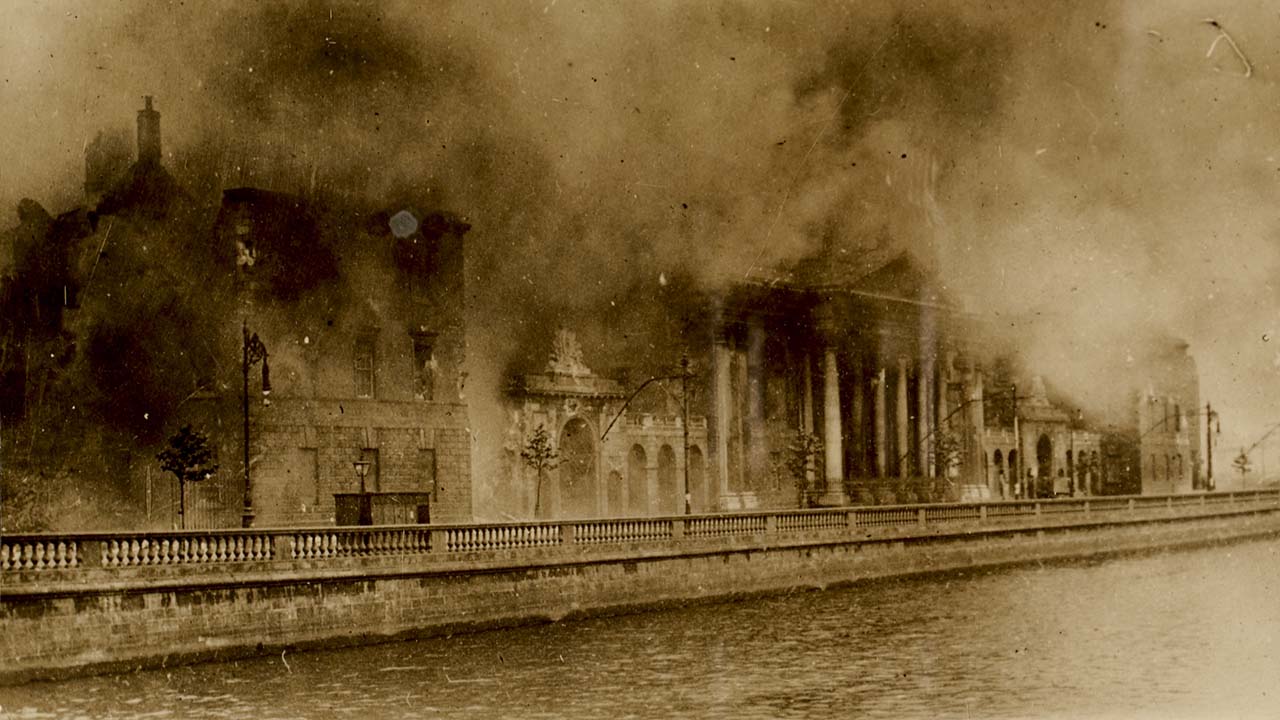
 00:58:26
 01:07:52
 01:23:34
 00:54:29
 01:23:17
 01:28:45
Comments (91)
Thank you for the wealth of information and resources. I will be recommending this webinar at the next meeting of the West Florida Genealogical Society, as outgoing president. My great-grandfather stowed away on a ship from Ireland (Dublin) in 1881. The first American census he was on was the 1990, which burned. He's my brick wall, my needle in a haystack. I am hopeful this information and these resources will lead to a breakthrough for me. Thank you again!!!
What an excellent presentation, with so much information. I will be listening again and have already referred it to my Irish Interest Group.
Great presentation. Lovely mix of explanation and practical use examples.
Excellent presentation. Thank you so much for these more obscure but very accessible resources! I am keen to get at it and find more details. So much to do and so little time some days. ?
An excellent presentation which has already borne fruit for me.\nThank you.
very thorough
Very informative! Well presented!
Wow! such excellent information - seeing actual documents highlighting what to look for was such a great help. I had no idea how to read/interpret. Well done:)