
Rubik’s Cube Genealogy: A New Twist on Your Old Data (a 2024 Reisinger Lecture)
Elissa Scalise Powell, CG

Content

Speaker's Introduction
1m 25s
Introduction
7m 56s
Twist the Data By Type
12m 3s
Health History
4m 55s
Hardiness Zones
7m 12s
Family Timeline
7m 40s
Writing May Change Our View
11m 19s
Questions / answers
1m 13s
About this webinar
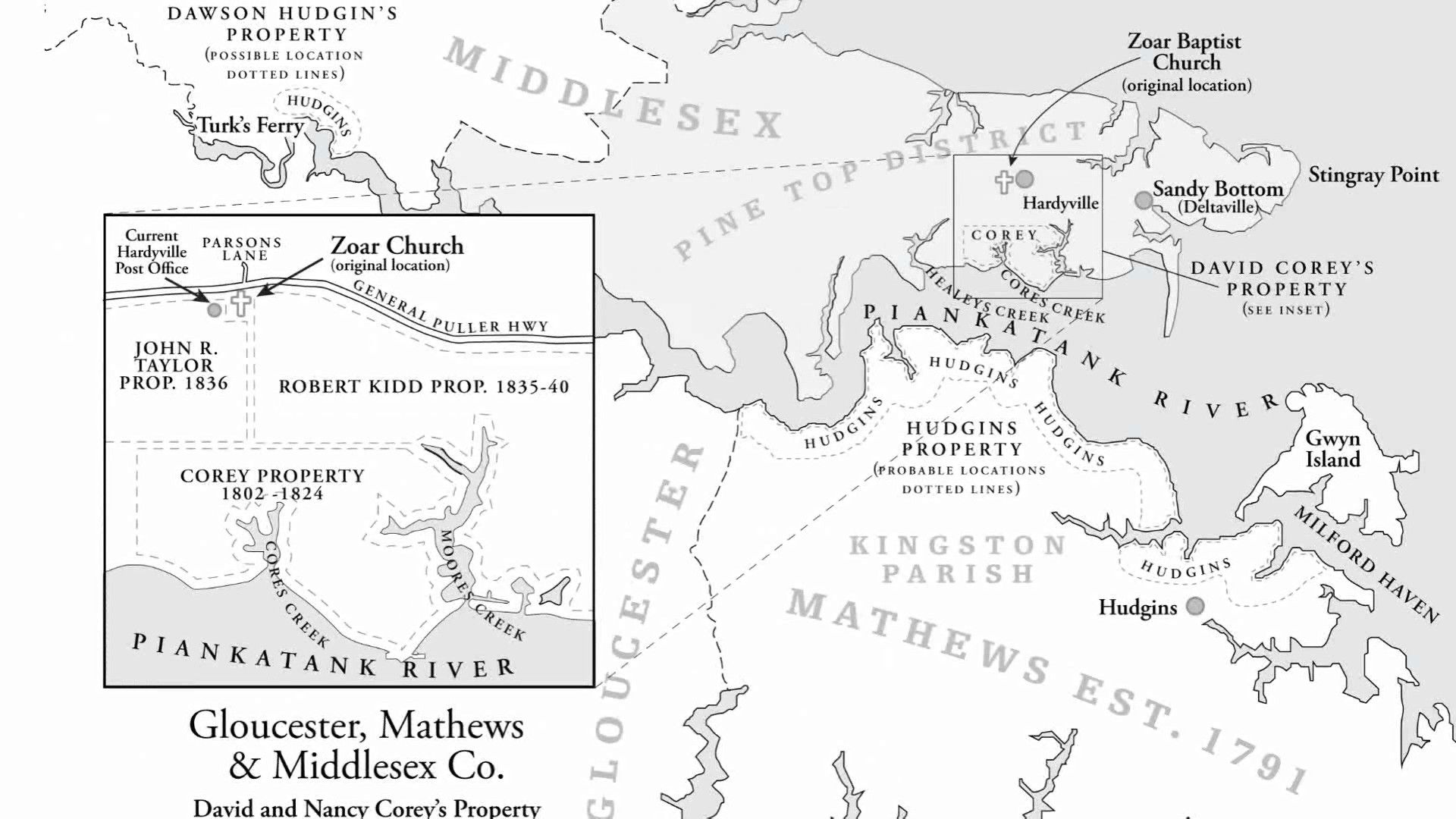
We all accumulate family data and perhaps organize it into pedigree charts and family group sheets. By looking at the data differently and giving it a new “twist,” we can see patterns and holes emerge. Lineage applications may point out weaknesses in our proof of descent from a certain ancestor. By writing the family narrative, whether for a book or a short article for a newsletter, new questions requiring further research are made evident. Even formulating a query for an Internet list will cause us to take a new look at our data. By sifting through old data collected years ago with our more mature genealogical eyes we can see things and relationships we would not have recognized earlier. Placing our ancestors in history through timelines can point out reasons why the records are in the jurisdictions they are found and give suggestions on where to look further. Using land platting techniques will point out relationships previously hidden from the casual observer. Many ideas are presented to help the attendee think about how the data they have already accumulated may give the next clue to continued successful results.
\n
\nThis class is presented live at the Family History Library in Salt Lake City as part of the Joy Reisinger Memorial Lecture Series and is being broadcasted by Legacy Family Tree Webinars.
About the speaker

Elissa Scalise Powell, CG, CGL, a western Pennsylvania researcher for over 30 years, is the co-director of the Genealogical Research Institute of Pittsburgh (GRIP), and Genealogy as a Profession cours...
Learn more...Related webinars
 01:05:33
Comments (73)
One of the best webinars I have seen on Legacy Family Tree Webinars. Thank You.
This was thought provoking in unexpected ways. Example: where was the father born (before captured on 1880 Census) -- compare what the children say
Learned many interesting things.
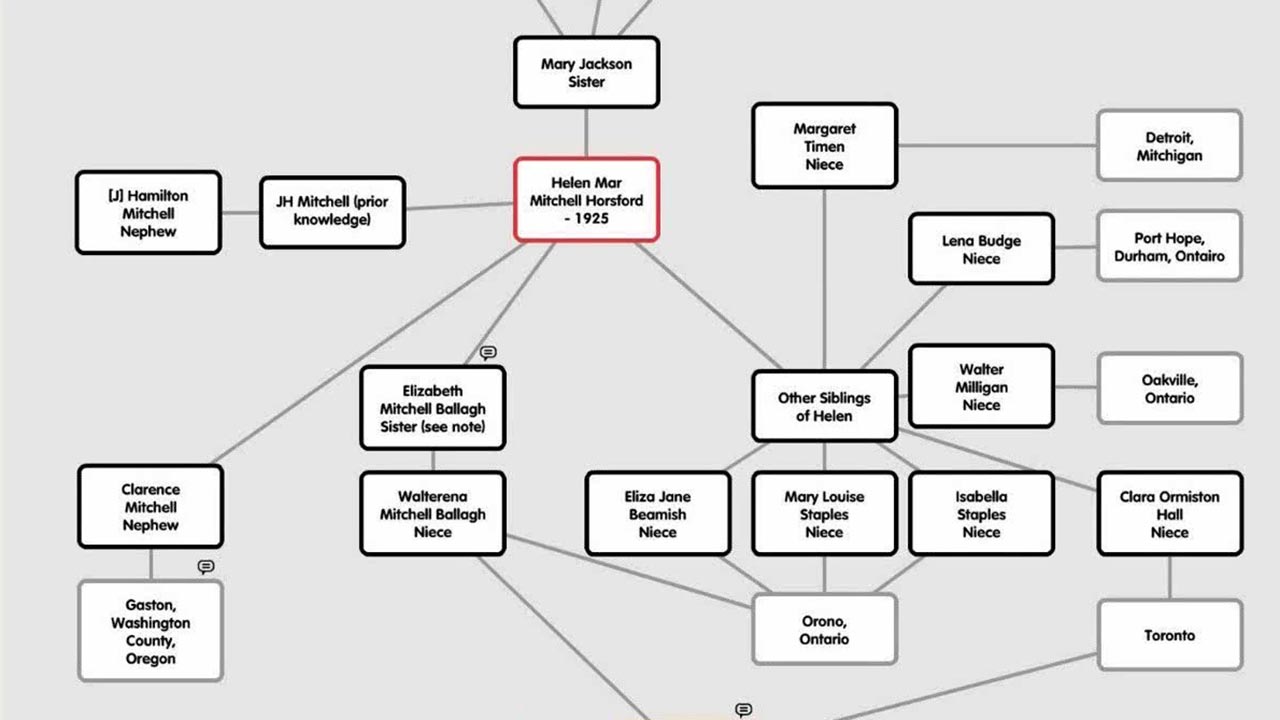
So many of these types of webinars simply re-spin the same old info. LOVED Ms. Powell's inclusion of the Genogram, weather history, planting info. Well done!
So much great information! I especially like examples of different timelines and combining those with national events. Some very unique suggestions with the weather data.
Superb ideas for organization, problem identification, resource locating. Very good use of examples.
fascinating options for reviewing the data we already have gathered!
very helpful. Thanks