

Seeing the Patterns: Organize, Visualize, & Evaluate the Evidence
Teri E. Flack

Content

Introduction
3m 27s
Case 1 James Fenley
14m 12s
Case 2 Thomas Flack
10m 57s
Case 3 Marriage Date
10m 23s
Case 4 Who was the Father?
24m 53s
About this webinar
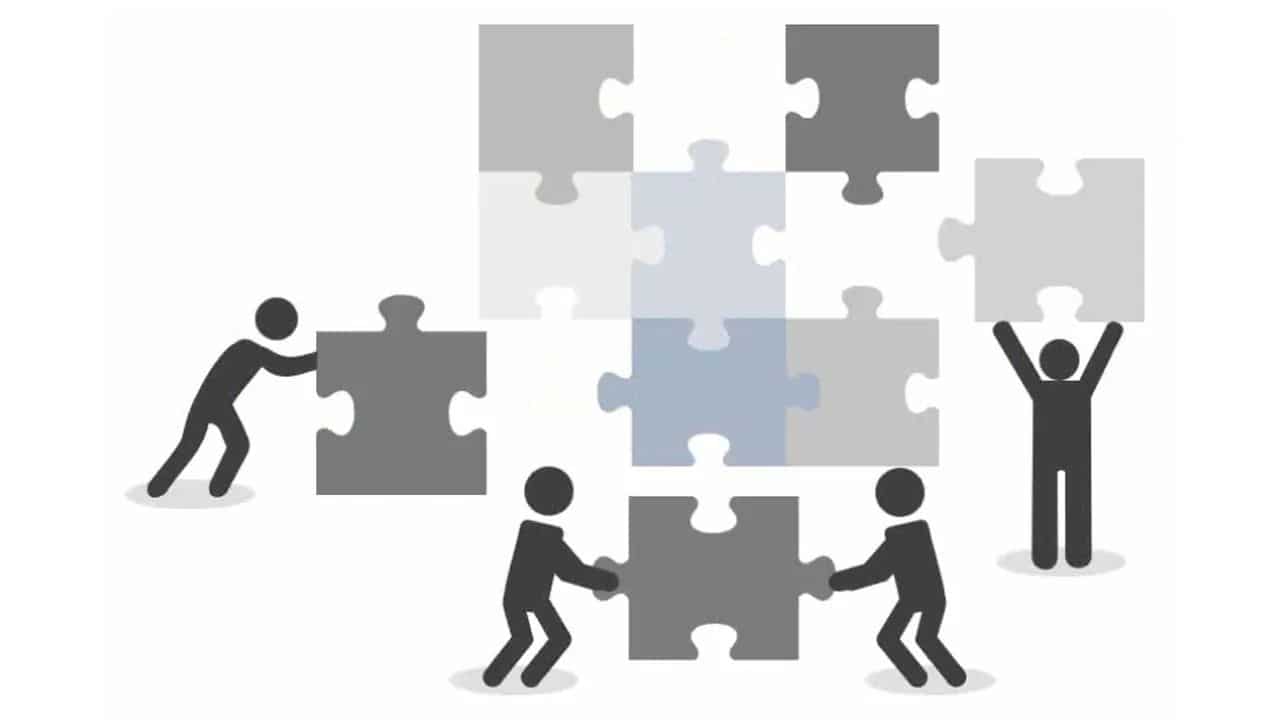
We gather lots of information, data, and evidence as we research our ancestors. The difficulty lies in analyzing the information, correlating it to data gathered from multiple sources, determining patterns, identifying holes in our research, and understanding the evidence. Organizing data using timelines, chronologies, charts, tables, and other assemblages can help us compare, correlate, and analyze evidence. This presentation will offer multiple ways of visualizing data to make it easier to analyze and evaluate evidence, discover gaps and missing information, see how pieces of the puzzle fit together, and uncover new paths for research.
\nAbout the speaker

Teri E. Flack, M.A. (Public History), M.B.A., began her family history quest over 50 years ago when she asked her paternal grandmother to tell her everything she knew about the Flacks and Fenleys. Alt...
Learn more...Loading comments...
Related webinars
 01:00:16
 01:00:10
 01:00:06
 00:50:15
 01:39:19
 01:10:03
 01:13:15
 01:08:54
 01:02:34