

Strategies for Resolving Conflicting Evidence (a 2024 Reisinger Lecture)
Angela Packer McGhie, CG®, FUGA

Content

Speaker's Introduction
42s
Introduction
12m 0s
Which Mother?
18m 39s
Birth Date Conflict
2m 57s
Conflict Regarding Mother
12m 35s
Relationship Conflict
10m 34s
About this webinar
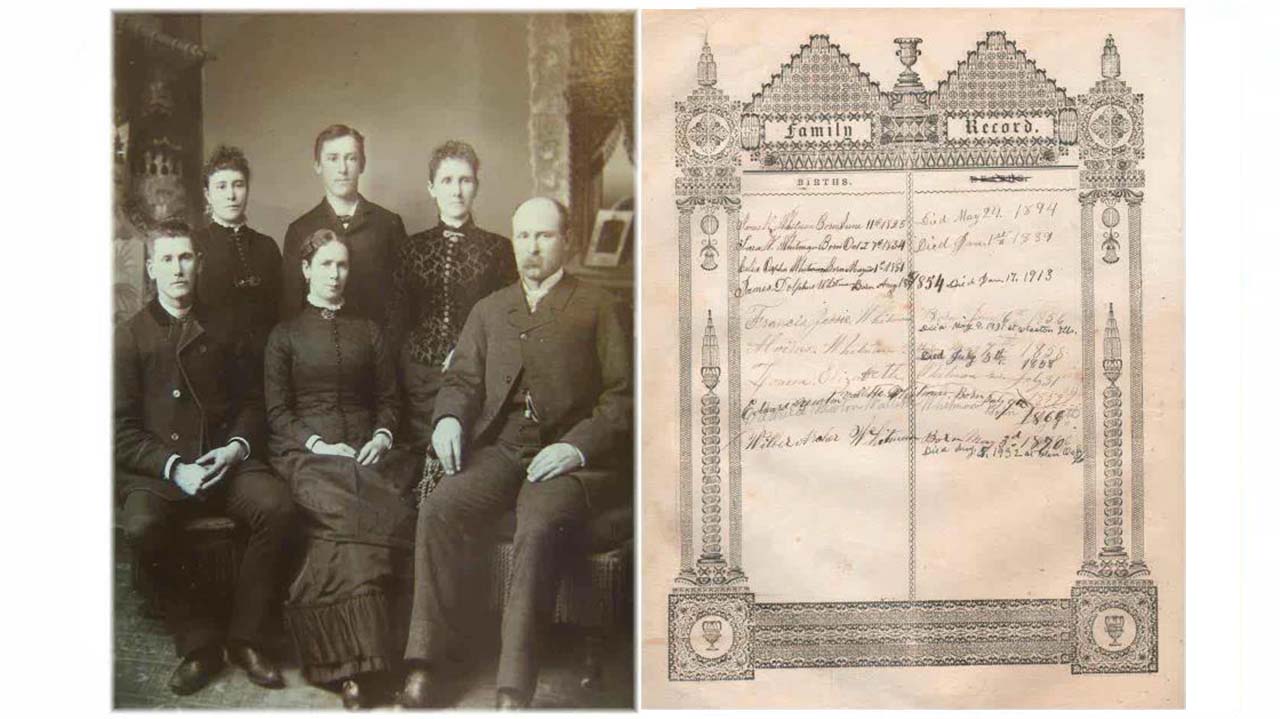
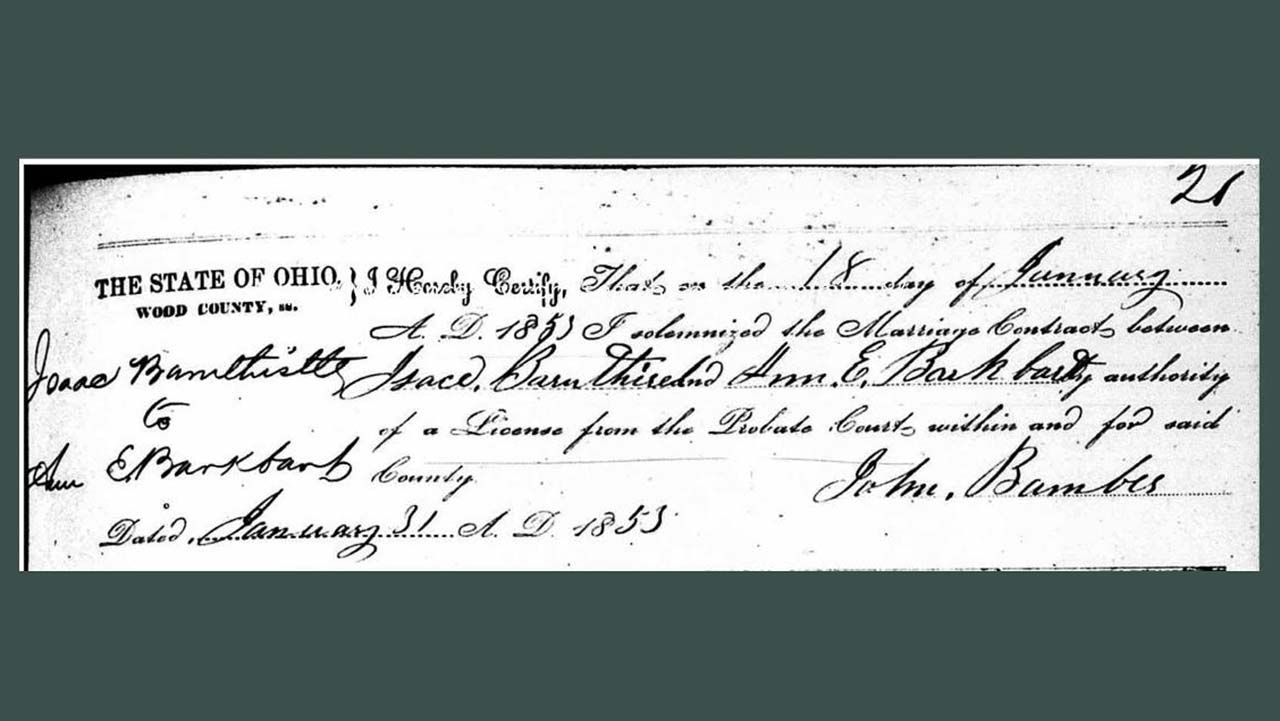
Genealogical research often presents conflicting information across records. This presentation will focus on four practical strategies for effectively resolving such conflicts. Using two case studies as examples, attendees will learn to identify conflicting information, search for additional records, assess the reliability of each source, and correlate information from various sources. The importance of documenting the rationale for conflict resolution will also be emphasized.
\n
\nThis class is presented live at the Family History Library in Salt Lake City as part of the Joy Reisinger Memorial Lecture Series and is being broadcasted by Legacy Family Tree Webinars.
About the speaker

Angela Packer McGhie, CG®, FUGA, is passionate about genealogy education. She serves as a trustee for the Board for Certification of Genealogists and the BCG Education Fund. She coordinates courses at...
Learn more...Related webinars
 01:05:33



Comments (63)
Very interesting and clear explanation too. I surely will use this method for my work in resolving many conflicts in my tree. Thank you so much!
Interesting and more formalized approach to what we already do.
Another great webinar in this series. Lots of ideas and information about how to work out conflicts with thorough research
The speaker did a thorough job of explaining her process with supporting evidence on her slides.
i usually don't care about other people's family research, but the presenter clearly showed how her conflict resolution strategy can be applied to many different situations
Watching her walk through these conflicts was helpful.
Complicated issues she seemed to logically solve. I can only hope the conflicting data I may encounter will be solved as logically as the authors.
Great examples. There was a lot of evidence and at times the speaker talked a little quickly, so I had to pay really close attention to follow. Otherwise, very interesting.