

Content

Welcome
1m 44s
Speaker's Introduction
1m 14s
Introduction
3m 24s
1790-1850
9m 13s
1860-1900
19m 43s
1910-1950
14m 7s
Announcements / prizes
5m 15s
Questions / answers
6m 17s
About this webinar
Just who was creating the documents genealogists typically turn to first? What rules did they follow? How long did they have to complete their job? How big is an enumeration district? These questions, and more, probably occur to anyone doing extensive research in the U.S. Census reports. This talk reviews the staffing, training, search for accuracy, penalties for non-cooperation, and bureaucracy of the U.S. Census from 1790 through 1950.
About the speaker

A wife, mother of 3, and entrepreneur, Seema is an active member of several societies and part of the NERGC planning committee. Based on over 20 years of research, her known roots are deep in New Engl...
Learn more...Related webinars
 00:55:29
 00:39:37
 01:19:24
 00:48:54
 01:03:22
 01:11:46
 01:06:21
Comments (48)
Seema's webinar was carefully and thoughtfully conceived to give us great background on census history. I appreciate the hours she devoted to identify hall marks in the growth of the census itself. Well done, and certainly worth the time. Thank you, Seema, for making the U.S. Census background visible to all of us.
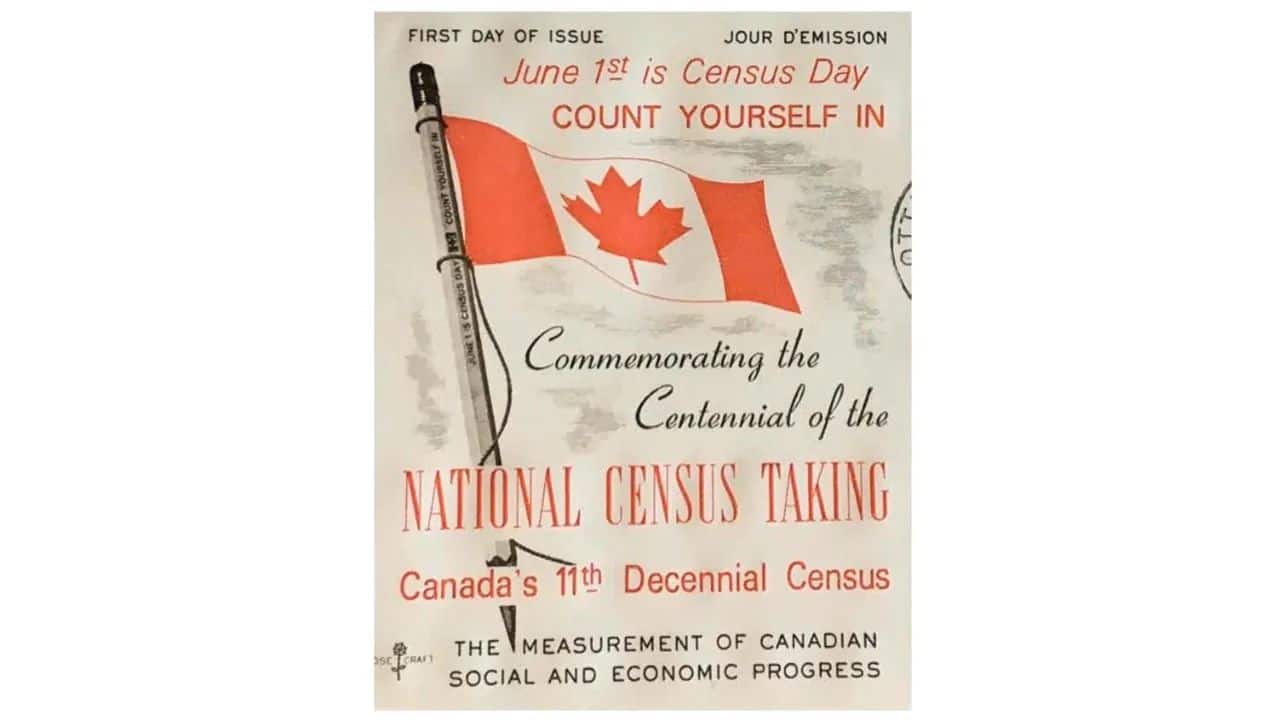
Excellent description of the workings of the U.S. census and I am assuming the Canadian Census staff would be similar but with a more sparsely populated area, we may have some significant differences??
Fantastic! So incredibly informative. Thank you so much for helping us understand the processes taken to collect census data for the US.
Excellent and interesting lecture. Thank you
Great....as always!!!
It was very interesting the way she traced the evolution of the census through the decades, and the many factors which influenced the selection of staff and the questions asked.
Well preseted research!
Very interesting and presented nicely. This will help me feel more charitable toward enumerators whose mistakes or almost illegible writing affect my family history efforts.