

Content

About this webinar
About the speaker

Key points and insights
Discovering Scottish roots often feels daunting once the trail runs past civil registration in 1855, yet Alison Spring’s lively Legacy Family Tree Webinar, “Tracing Scots Ancestors Before 1855,” proves that a rich paper-trail survives for even the humblest Highland crofter or Lowland laborer. Drawing on more than four decades of research experience, Spring guides viewers through an impressive range of pre-registration sources—parish registers, Kirk Session minutes, tax rolls, Poor Law applications, estate papers, maps, newspapers and more—demonstrating how each record set can illuminate family stories and break longstanding brick walls.
Key insights at a glance
-
Think beyond the Old Parochial Registers (OPRs). While baptism, marriage and burial entries are essential, Spring illustrates how Catholic parish books, dissenting congregational records and the overlooked Register of Neglected Entries can supply missing life events—sometimes decades after they occurred—along with witnesses, sponsors and birthplace clues that push research into new counties and countries.
-
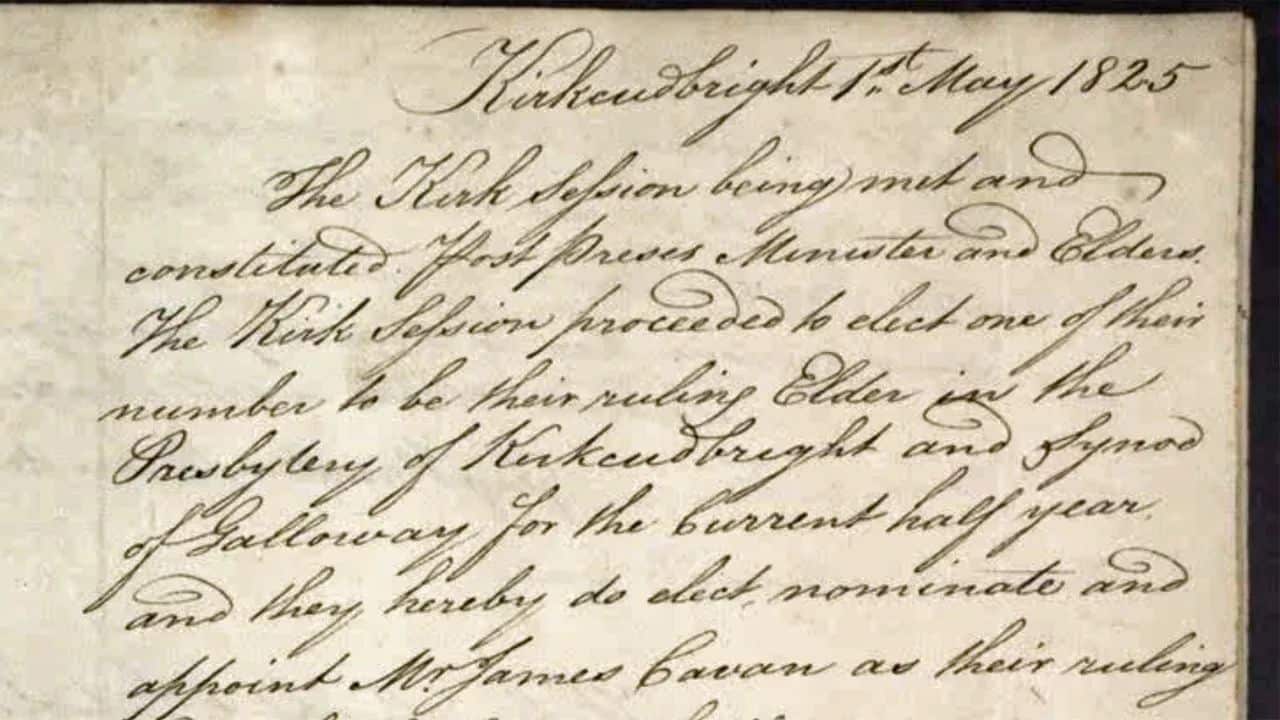
Poor Law and Kirk Session files are goldmines. The 1845 Poor Law Act generated detailed application forms and indoor-relief registers that capture address histories, household compositions and candid inspector reports; earlier Kirk Session minutes reveal paternity disputes, moral censures and stray baptisms otherwise absent from OPRs. Together, these “social history” documents often identify women and children invisible elsewhere and can confirm family links two generations deep.
-
Corroborate with ancillary tools. Monumental-inscription transcripts, servant-tax lists and estate rentals help pinpoint exact residences; historical Ordnance Survey maps from the National Library of Scotland then place those farms, hamlets or urban courts on the landscape, clarifying parish boundaries and migration routes. Newspaper notices and trade directories add occupational context and, as Spring’s own lithographer ancestor proves, can date deaths that lack statutory certificates.
Ready to take the next step?
Viewing the full webinar unlocks Spring’s step-by-step demonstrations inside ScotlandsPeople, FamilySearch and local archives, revealing search tactics, spelling-variant strategies and cost-saving tips that are difficult to convey in print. An hour with this session will arm any genealogist—novice or veteran—with a practical research roadmap and renewed confidence for tackling Scotland’s pre-1855 challenges.
After watching, be sure to download the extensive syllabus. The hand-curated links, paleography aids and repository guides highlighted there will keep the investigation moving long after the replay ends, offering a one-stop launchpad for deeper Scottish discoveries.
Related webinars
 01:15:47
 00:50:03

 00:48:34
 01:26:50
 00:47:16
 00:46:52
 01:22:47
Comments (83)
Wow! That was so informative! The stuff I've learned today.
Lots of information on where to look and how to look for your Scot relatives.
Very interesting as I am in NZ and so far away, but now feel more confident to use some of the sites mentioned thank you
Presenter Alison was extremely knowledgeable and very helpful with hints for where I should start my Scottish family research.
This was a very well put together presentation with so many direct references that can be immediately leveraged. Kudos!
Excellent dqta, much of it new to me
excellent information and sources
Provided a good overview.