


Content

Introduction
10m 1s
1850 Census
3m 23s
1860 Census
2m 46s
1870 Census
1m 28s
1880 Census
6m 34s
Locating the Schedules
2m 37s
Build Context
3m 56s
Consider History
8m 52s
About this webinar
This video introduces the important supplemental U.S. federal census non-population schedules and how they can help put your farming ancestor into context.
\n
\nThis webinar was first released 12 August 2019 on the Genealogy Guys Learn website.
About the speaker

George G. Morgan is the president of Aha! Seminars, Inc.(R) and an internationally recognized genealogy presenter. He is the co-host of the longest-running genealogical podcast, The Genealogy Guys Pod...
Learn more...Key points and insights
This webinar delves into the United States Agricultural Census Schedules and their pivotal role in enriching genealogical research, providing context to our farming ancestors' lives. These schedules, taken between 1850 and 1880, offer a detailed view of agricultural practices, land use, and economic conditions, allowing researchers to move beyond basic census data and truly understand the environment in which their ancestors lived. By exploring these records, genealogists can uncover valuable insights into their ancestors' daily lives, challenges, and contributions, adding depth and color to their family histories.
- The Agricultural Census Schedules from 1850 to 1880 provide details about land use, crop production, and livestock, offering a comprehensive view of an ancestor's farming activities and the scale of their operations. These records can also lead to other valuable resources such as land and property records, deeds, wills, probate packets, tax rolls, and jury lists, expanding the scope of research.
- Analyzing the changes in farm details across the censuses from 1850 to 1880 reveals how farming ancestors adapted to evolving economic conditions, technological advancements, and historical events such as the Civil War. This analysis helps researchers understand the factors that influenced their ancestors' decisions and the broader historical context that shaped their lives.
- The webinar emphasizes the importance of contextualizing the data found in Agricultural Schedules by examining historical events, local histories, and economic factors that affected farming communities. This approach enables genealogists to develop a richer, more nuanced understanding of their ancestors' lives, beyond just names and dates.
Loading comments...
Related webinars
 00:55:29
 01:19:24
 00:48:54
 01:03:22
 01:11:46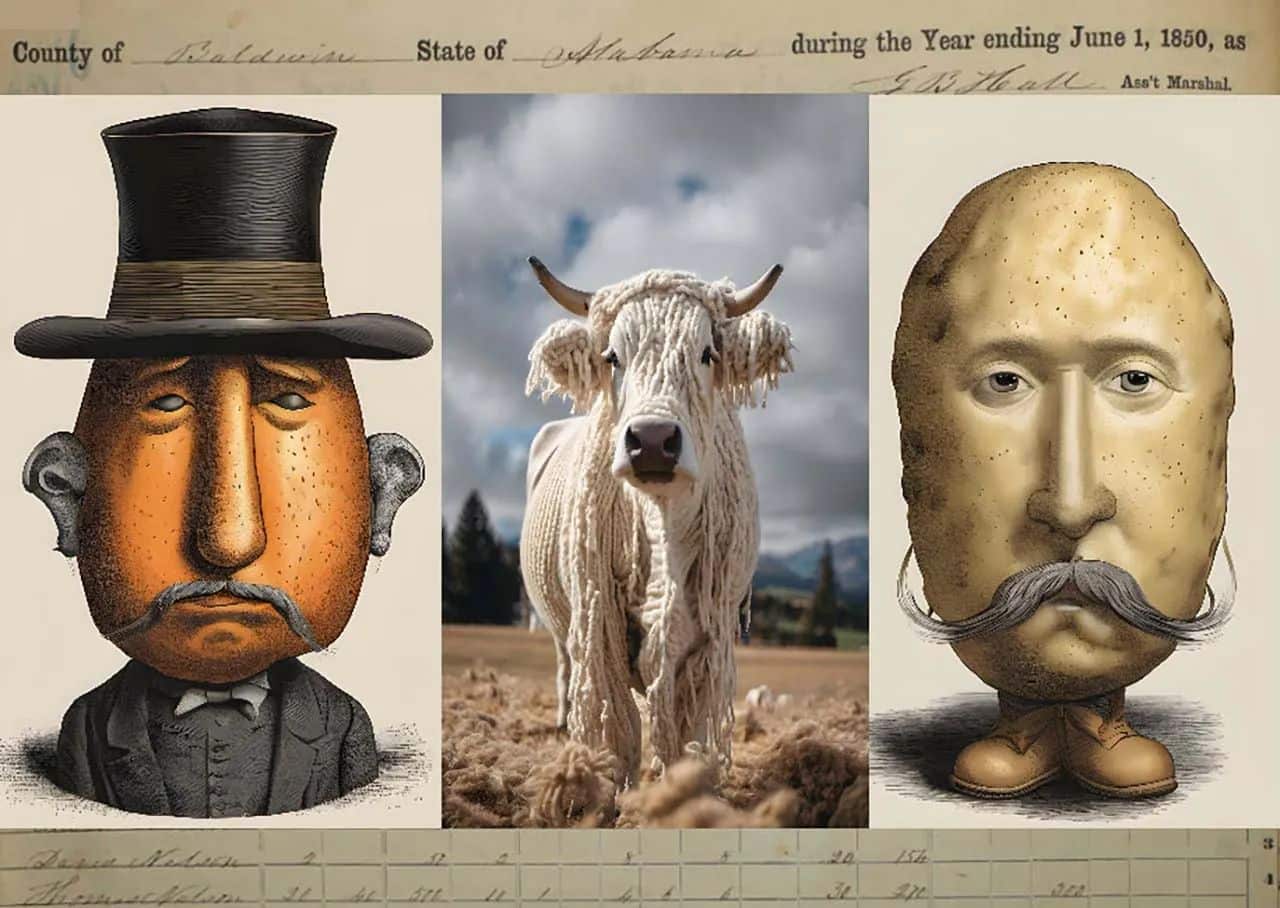
 01:06:21
 00:17:12