
Unlocking Notation Codes on Alien Passenger Lists
Elizabeth Williams Gomoll, CG®

Content

About this webinar
About the speaker

Key points and insights
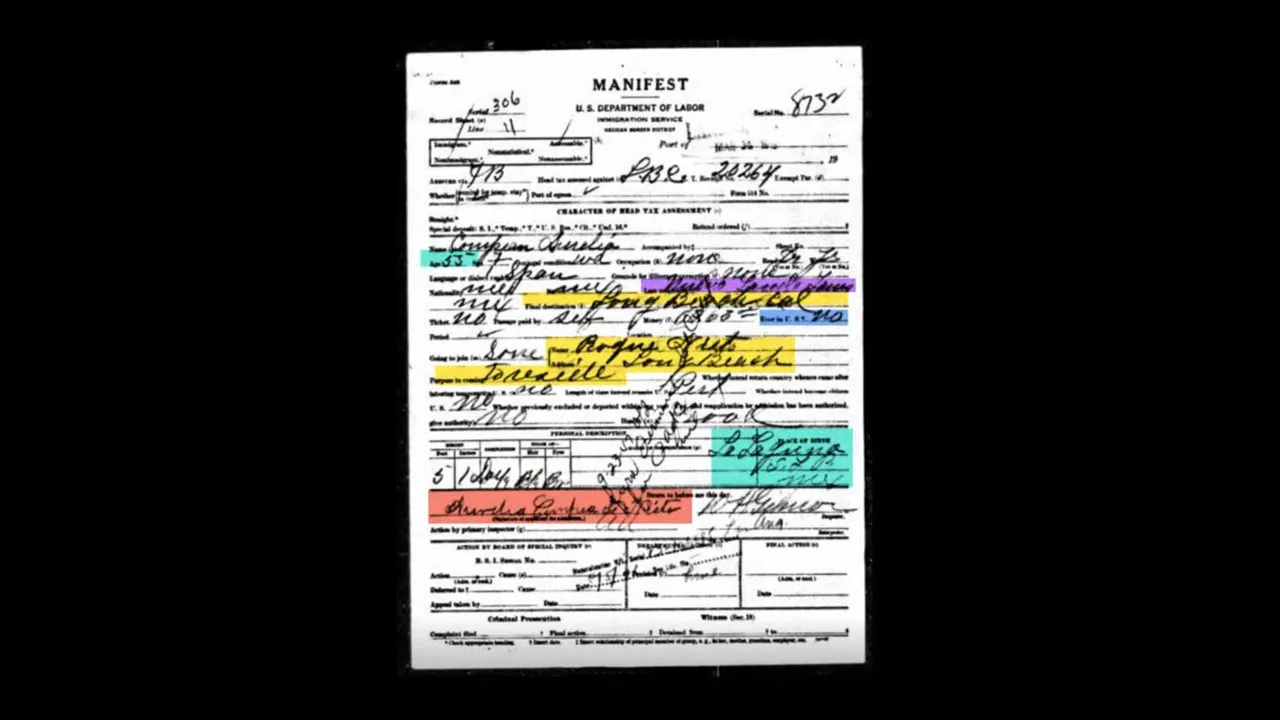
Delving into the often-overlooked details of passenger lists, this enlightening webinar by professional genealogist Elizabeth Williams Gomoll uncovers the rich trove of information hidden in the cryptic notations found on alien passenger manifests. Aptly titled Unlocking Notation Codes on Alien Passenger Lists, the session reveals how these seemingly obscure codes can illuminate the immigration experience of ancestors, offering insights far beyond names and dates. From deciphering abbreviations used by immigration officials to interpreting marks indicating detention or special inquiries, this webinar equips genealogists with powerful tools to deepen their research and more accurately reconstruct family migration stories.
Key Takeaways
-
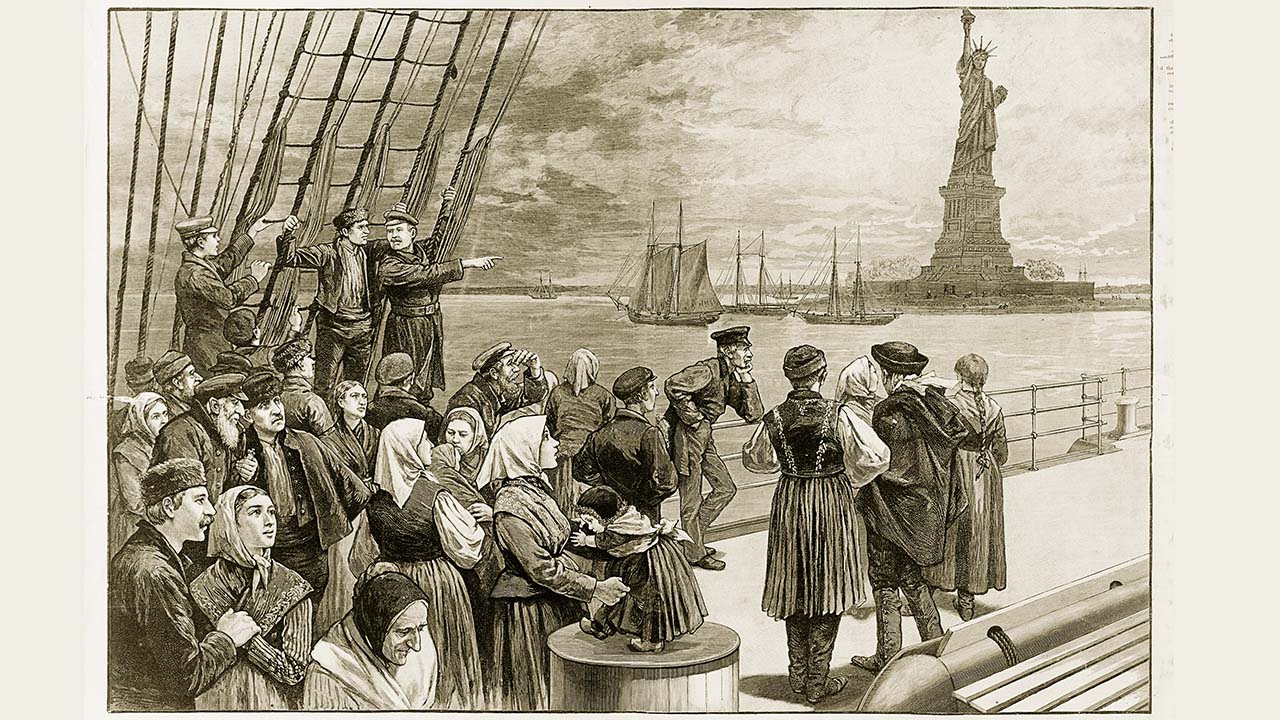
Understanding Notation Codes Unlocks Hidden Stories: Passenger list notations—such as ticket contract numbers, “SI” for special inquiry, or “X” for detention—often reveal personal experiences like delayed entry, relationships between travelers, or medical concerns. Decoding these marks allows genealogists to move beyond surface-level information to better understand an immigrant’s journey and challenges faced at ports like Ellis Island.
-
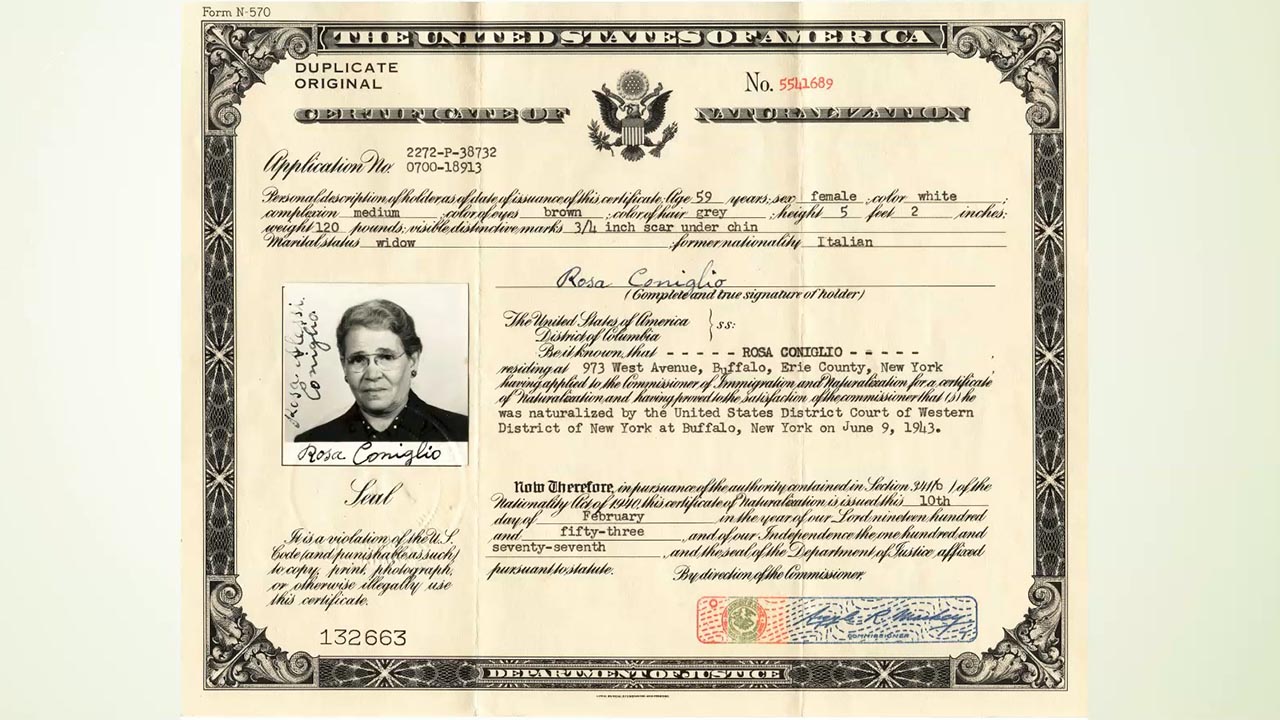
Naturalization Clues Are Embedded in Manifests: Between 1926 and 1943, notations were frequently added to passenger lists to document naturalization verification. Codes included court district numbers, application references, and verification dates, which can be matched to corresponding documents. These entries can lead researchers directly to naturalization records and sometimes even suggest an immigrant's early place of residence in the U.S.
-
Detained & Special Inquiry Records Provide Valuable Context: Approximately 10% of immigrants were detained, and 2% were deported. Lists of detained passengers, often located at the end of a manifest, detail causes of detention, outcomes, and even the number of meals served during the hold. Those held for Special Inquiry, commonly labeled “LPC” (likely to become a public charge), faced stricter scrutiny and left behind even more detailed paper trails, sometimes including appeals and medical notes.
Explore More
To fully appreciate the depth of insight offered in this session, view the full webinar replay—especially if you have ancestors who immigrated to the U.S. in the late 19th or early 20th centuries. This resource will guide you through the notation-deciphering process with real-world examples and invaluable tips. Whether you're just starting to explore passenger records or revisiting familiar names, you'll gain tools to uncover new connections and previously untold stories.
Be sure to download the comprehensive six-page syllabus that accompanies the presentation. It includes lists of common codes, links to decoding district court numbers, and examples of how to interpret complex entries—an essential reference for any serious genealogist. Unlock the full potential of passenger manifests and bring your family’s immigration history vividly to life.
Related webinars
 01:14:25
 01:22:02
 01:28:41
 01:12:13

Comments (109)
This was a very interesting and well-organized presentation. I have not heard this topic before and appreciate your presentation.
Now it's time to go back and revisit these lists! Very interesting! One question which I didn't ask: Would there have been similar lists if people were arriving (from Canada) by train…circa 1926? Thank you for the excellent handout. Much appreciated.
Very informative!
Excellent presentation! Now, I'm excited to go look through Alien Passenger Lists and the codes that go with my ancestors! The syllabus is fantastic! Thank you.
So much I did not know presented so wonderfully. Thank you
This will have me going back to my immigration/naturalization records for my ancestors. A fantastic webinar.
During the past 37 years of doing family history research I have examined a boatload of ship manifest pages. Most information on them was obvious, but after watching this webinar I realize that I was not understand half of what I was seeing. GREAT LECTURE !!
Fascinating topic clearly described and illustrated with relevant examples.