

Content

About this webinar
About the speaker

Key points and insights
In the webinar Five Questions to Answer About Your DNA Matches, professional genealogist Paula Williams delivers an engaging and practical session on how to transform raw DNA test results into meaningful genealogical insights. Speaking to an international audience, Williams emphasizes not only the importance of understanding who DNA matches are but also how to critically evaluate what the data reveals, where the family connections may lie, and why those patterns matter. With over two decades of experience in Southern U.S. research and a decade of applying DNA to solve family mysteries, she offers participants a roadmap for using genetic evidence in line with the Genealogical Proof Standard.
Key Takeaways from the Webinar:
-
Go beyond automated hints. Tools such as Ancestry’s ThruLines or MyHeritage’s Theory of Family Relativity can be useful, but they rely heavily on user-submitted trees. Williams underscores the need to treat them as starting points, not proof. Verification of every parent-child link is essential to avoid perpetuating errors.
-
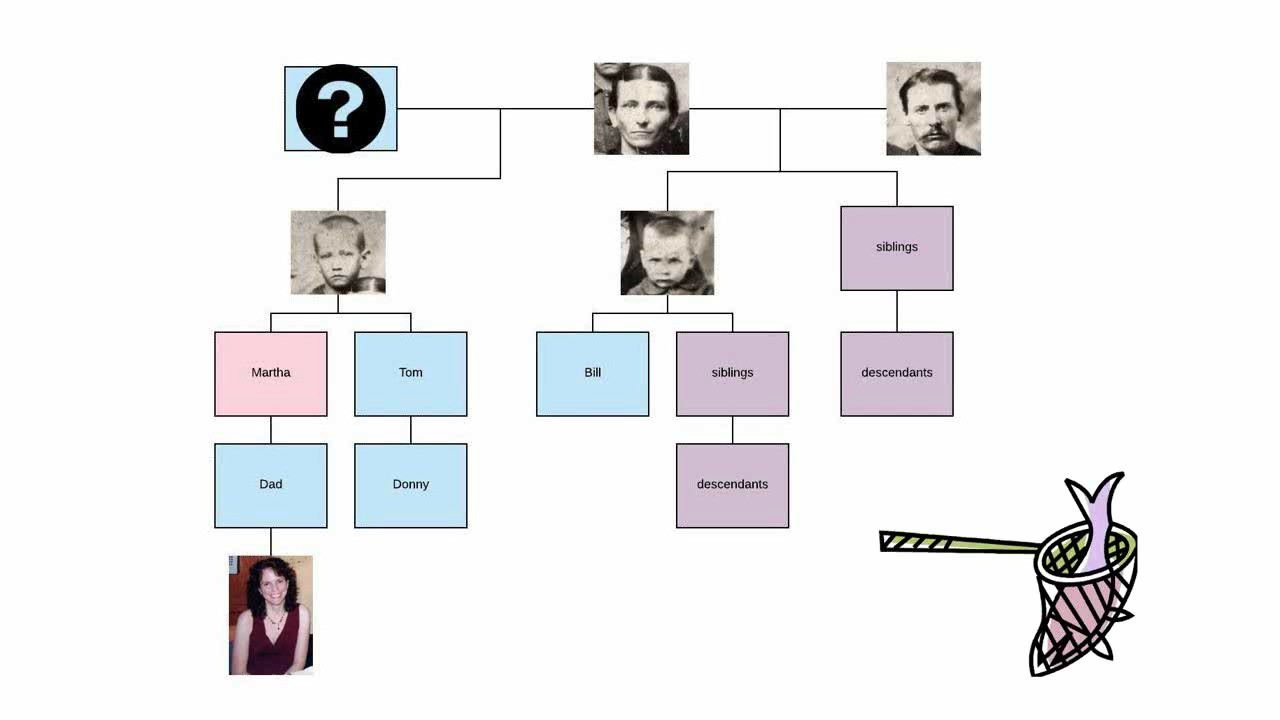
Use DNA strategically, not in isolation. Whether examining centimorgan ranges, comparing Y-DNA or mitochondrial haplogroups, or analyzing chromosome mapping through platforms like DNA Painter, Williams shows how multiple strands of evidence must be woven together. Shared matches and clustering tools further enhance the ability to identify true genetic connections while filtering out coincidental overlaps.
-
Think in terms of FAN clubs. Borrowing Elizabeth Shown Mills’ concept of “friends, associates, and neighbors,” Williams adapts this to genetic genealogy by treating shared matches as a “DNA fan club.” Clusters of related individuals can spotlight ancestral lines and help confirm or refute hypotheses about elusive ancestors.
Williams’ case studies—ranging from uncovering an unknown great-uncle’s child to resolving longstanding paternity questions—illustrate how asking systematic questions (“Who? What? Where? Why? Who else?”) leads to more reliable conclusions. She reminds researchers that DNA alone is insufficient; it must be combined with documentary research, careful correlation, and thorough analysis to build a solid genealogical case.
To gain the full benefit of Williams’ methodology, viewing the entire webinar is highly recommended. Her demonstrations of tools, visual examples, and step-by-step workflows provide valuable instruction that goes far beyond what can be summarized.
Ready to strengthen your own research? Watch the complete webinar replay to see these strategies in action and explore the additional resources included in the syllabus. These materials, along with Legacy Family Tree’s extensive DNA webinar library, will equip genealogists at all levels to tackle brick walls and uncover hidden family connections with greater confidence.
Related webinars
 01:26:23
 00:08:59
 01:10:27
 01:03:14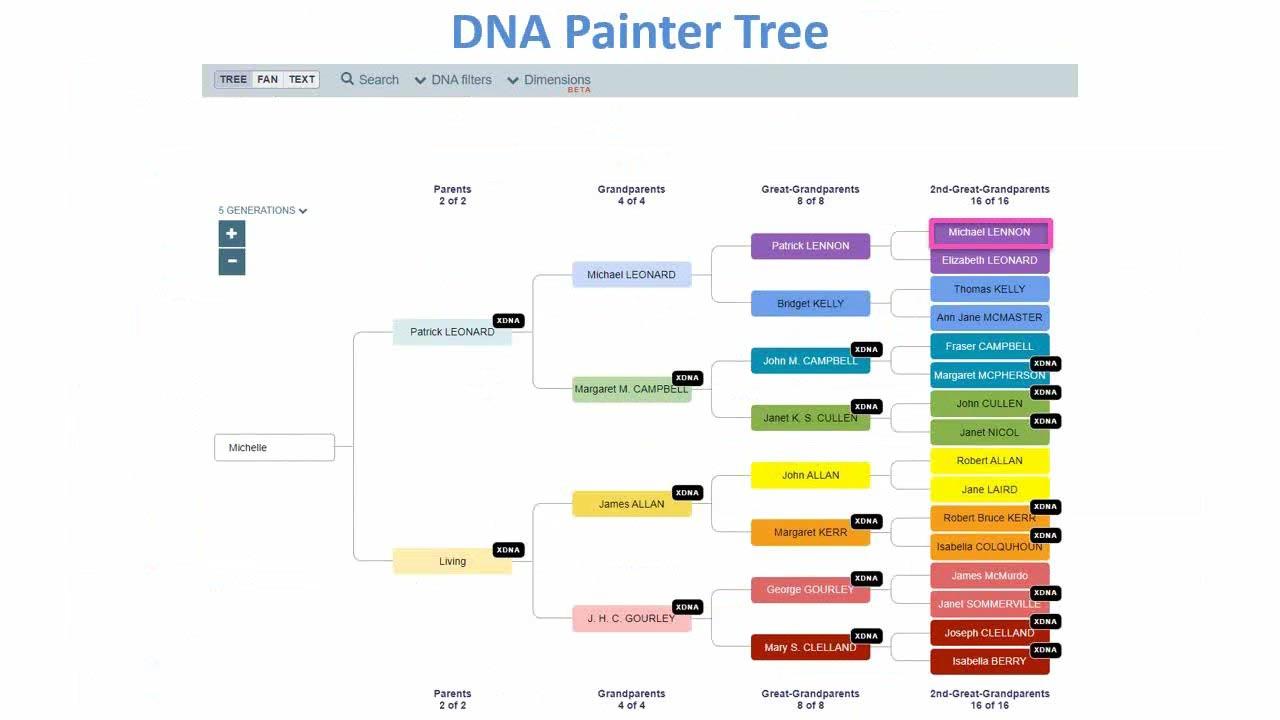
 01:04:30
Comments (48)
Thank you Paula. You have demonstrated steps to help solve DNA mysteries. Great examples that I will put to use. The detailed explanations really helped to visualize exactly what to do and how to find and connect people. I will be watching this again and again. I give this 1000 on a scale of 1 to 10
I learned a few new things, particularly what the gray boxes in the cluster charts are and how I might share a different ancestor with a match than the shared ancestor they share with a shared match.
Lots of good information I need to watch again and follow the links in the handout
Very helpful reminders!
I liked the step by step review of evaluating DNA matches.
Lots of information for a new approach looking at your matches! Great webinar!
Very informative, I learned what the grey squares are. I was just ignoring them.
Very interesting