

Content

About this webinar
About the speaker

Key points and insights
“Scattered Leaves: Reconnecting Family Branches with DNA” is a practical, story-driven webinar led by professional genealogist Fiona Brooker for Legacy Family Tree Webinars. Using real migration-era examples (especially the “Down Under” experience of families dispersing across continents), the session shows how autosomal DNA can help rebuild lost connections—while still relying on solid documentary research to keep conclusions grounded. The webinar is especially relevant for genealogists facing “big jumps” in match lists, incomplete trees, or branches that vanished after emigration, war, or simple loss of contact.
-
Turn overwhelming match lists into workable family groups: The webinar demonstrates how clustering (including color/label systems and the Leeds Method) helps transform thousands of matches into meaningful sets that point toward shared ancestors—making it easier to decide where to investigate next.
-
Use platform features—but treat them as clues, not proof: Tools such as Ancestry ThruLines and MyHeritage Theories of Family Relativity are presented as strong leads when supported by breadth across multiple descendants, consistent trees, and corroborating records—rather than shortcuts to accept blindly.
-
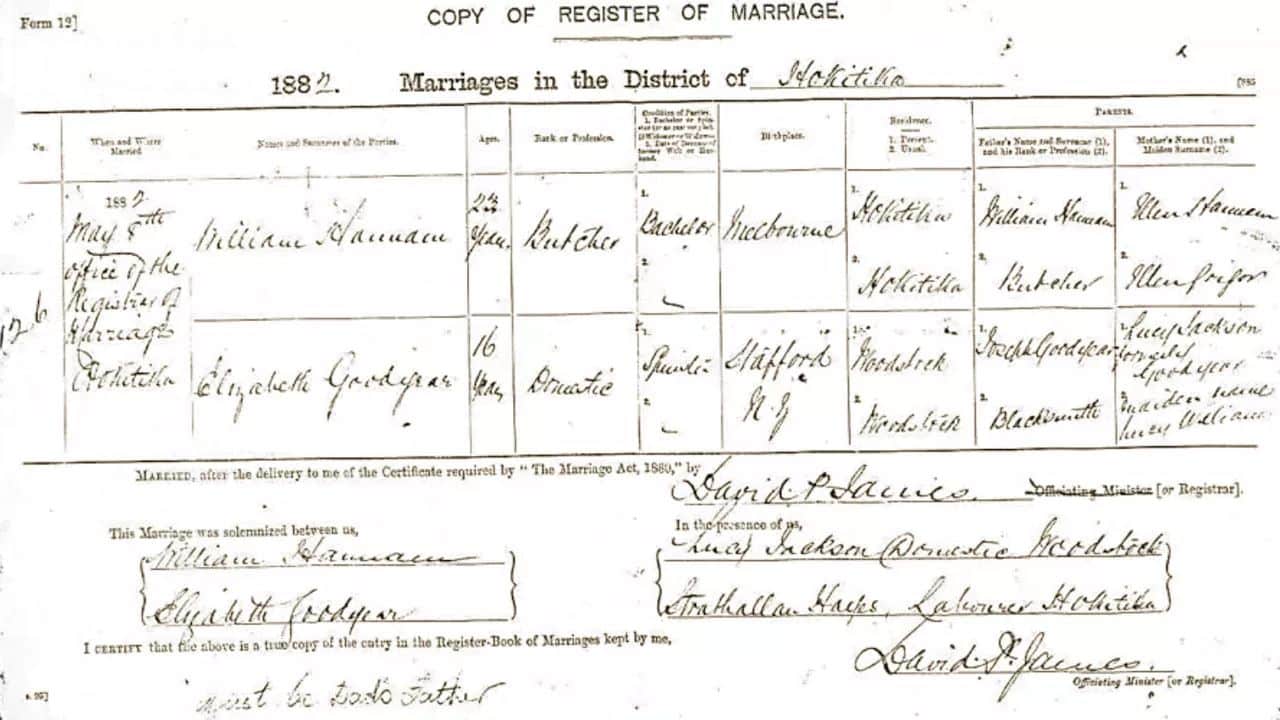
Blend DNA with “traditional” records to reconnect scattered branches: The case studies highlight how certificates with richer local detail, newspaper notices/obituaries, and civil index searching can reveal siblings who moved to Canada, Australia, England, and beyond—sometimes unlocking the exact branch a DNA cluster was hinting at.
Watching the full webinar is worth it for the step-by-step workflow choices, the decision points that prevent “wishful linking,” and the concrete examples of how small clues (a place, a middle name, an unexpected record hint, or a non-response to a message) can change the research path. View the complete session to see the full sequence of methods in action, then dive into the syllabus to pick up the included worksheets and recommended resources—ideal for applying the same process to stubborn brick walls and newly discovered DNA cousins.
Related webinars
 00:19:06
 01:07:18
 00:47:20
 00:12:47
 01:06:19
 00:42:08
 01:05:28
 01:06:00