

Breathing Life into Ancestral Stories: Using Social History in Genealogical Research
Robyn Smith

Content

About this webinar
About the speaker

Key points and insights
In her dynamic presentation, “Breathing Life Into Ancestral Stories: Using Social History in Genealogical Research,” genealogy expert Robyn Smith showcased how to transform sparse ancestral records into vivid, engaging life stories. As part of the 24-Hour Genealogy Marathon, Smith offered a compelling case for integrating social history—everyday details like occupations, traditions, technologies, and community life—into genealogical writing. With over 25 years of research experience, Smith guided viewers through specific methods to find and incorporate these details using underutilized sources, making family stories resonate with depth, emotion, and authenticity.
Key Takeaways:- Ask Social History Questions to Add Depth: Smith emphasized curiosity-driven research. Asking questions such as “What did they eat?” or “How did they travel?” can transform a name and date into a richly textured story. Food traditions, clothing, recreational habits, and health practices are gateways to understanding ancestors in the context of their time.
- Mine Overlooked Sources for Rich Context: From city directories and historic inventories to photograph collections, oral histories, and maps, Smith demonstrated how each source reveals layers of daily life and community. Rather than relying solely on genealogical databases, she encouraged browsing these materials page by page, uncovering local histories, images, and unexpected gems.
- Tell Stories That Resonate: Smith urged genealogists to go beyond data by writing narratives that connect emotionally. She offered examples of family members whose lives were contextualized with period details, maps, occupational history, and AI-generated imagery. Her call to use AI tools, local archives, and public domain images as storytelling aids reinforced the idea that compelling history is accessible to all researchers.
Be sure to explore the extensive syllabus accompanying this webinar—it’s packed with valuable links, case studies, and resource suggestions for diving deeper into your ancestors’ worlds. Whether you’re just beginning to write or are looking to elevate your narratives, Smith’s methods offer both inspiration and actionable steps.
Related webinars
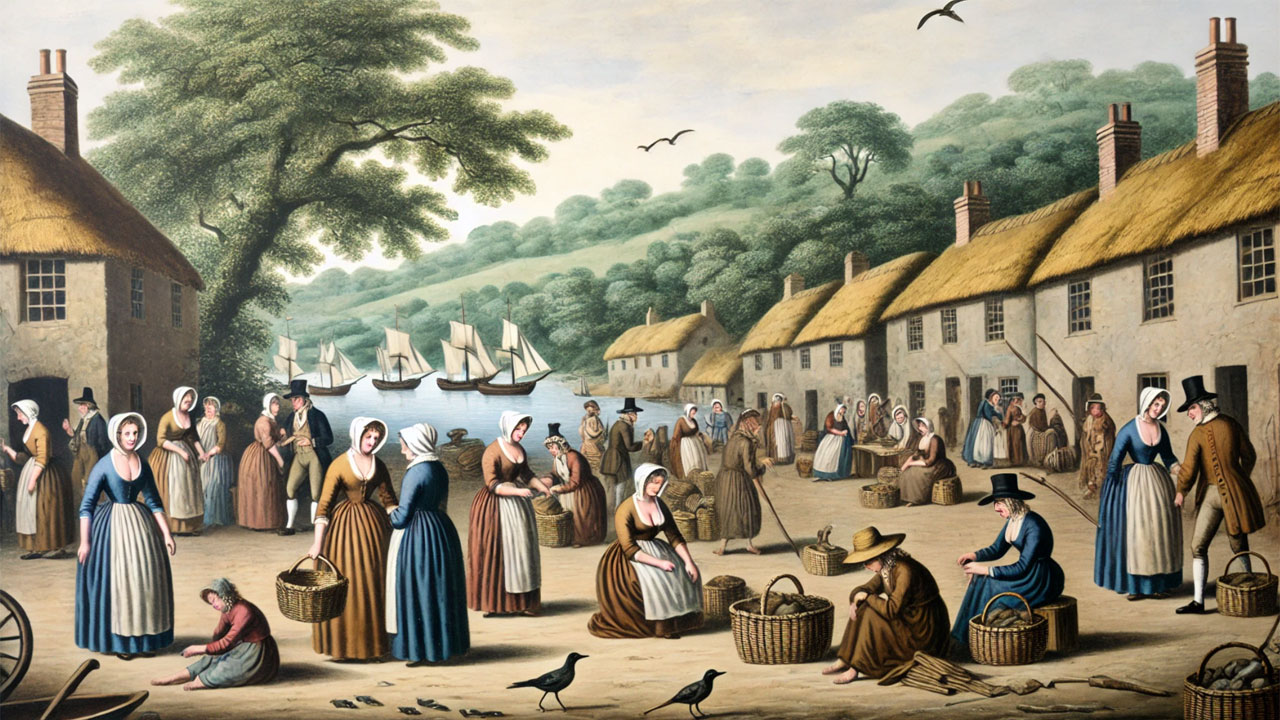 00:10:31
 00:47:10
 01:11:08
 00:48:30
 00:50:25
Comments (152)
This presentation emphasizes the importance of using information found in sources to learn more about ancestors, their communities, and their lifestyles. That gave a different perspective on writing ancestor stories.
I like your approach and will give a try. You have given us lot to work with in writing a family social history. Thank You!
Excellent speaking voice, well organized and great slides
Very informative
just wonderful! adds so much potential richness to a recitation of names and dates
Makes me want to start digging out old pictures again.
Provided new ideas in making a story of individuals writing about them.
She presented a wealth of ideas to make our writing more interesting. I am looking forward to incorporating them into my writing.