
DNA Meets the Paper Trail: Pedigree Triangulation Strategies for Early 19th-Century Research
Diana Elder, AG, AGL

Content

About this webinar
About the speaker

Key points and insights
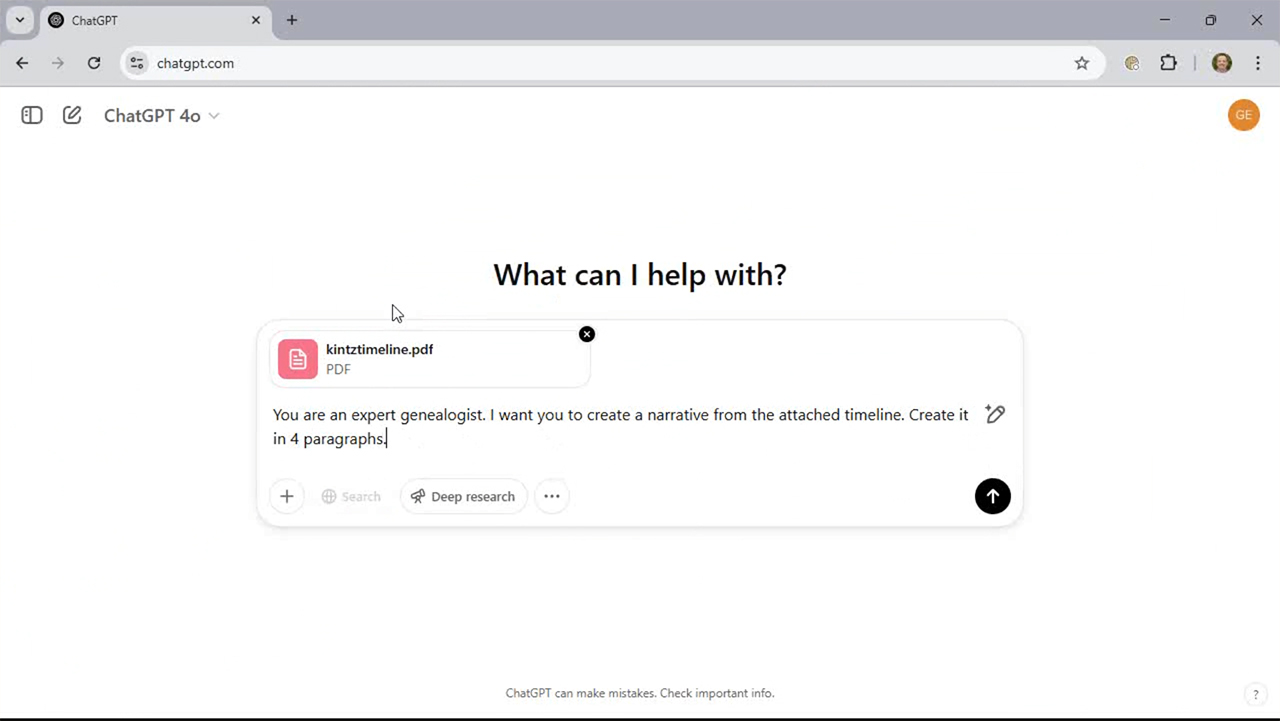
In the engaging webinar DNA Meets the Paper Trail: Pedigree Triangulation Strategies for Early 19th-Century Research, genealogist Diana Elder provides a comprehensive roadmap for integrating DNA evidence with traditional records to solve challenging family history puzzles. Particularly valuable for those researching ancestors in the early 1800s—a period notorious for limited documentation—this session illustrates how combining DNA analysis with sound research practices can break through brick walls. With a focus on the concept of pedigree triangulation, Elder shows how genetic networks, solid documentation, and strategic tools can help genealogists confidently identify common ancestors.
Key Takeaways:- Pedigree Triangulation Demystified: Elder introduces pedigree triangulation as a method to identify a common ancestor shared among DNA matches by analyzing their family trees, even in the absence of shared segment data. This approach is particularly useful for relationships beyond second cousins, where traditional triangulation may not be possible.
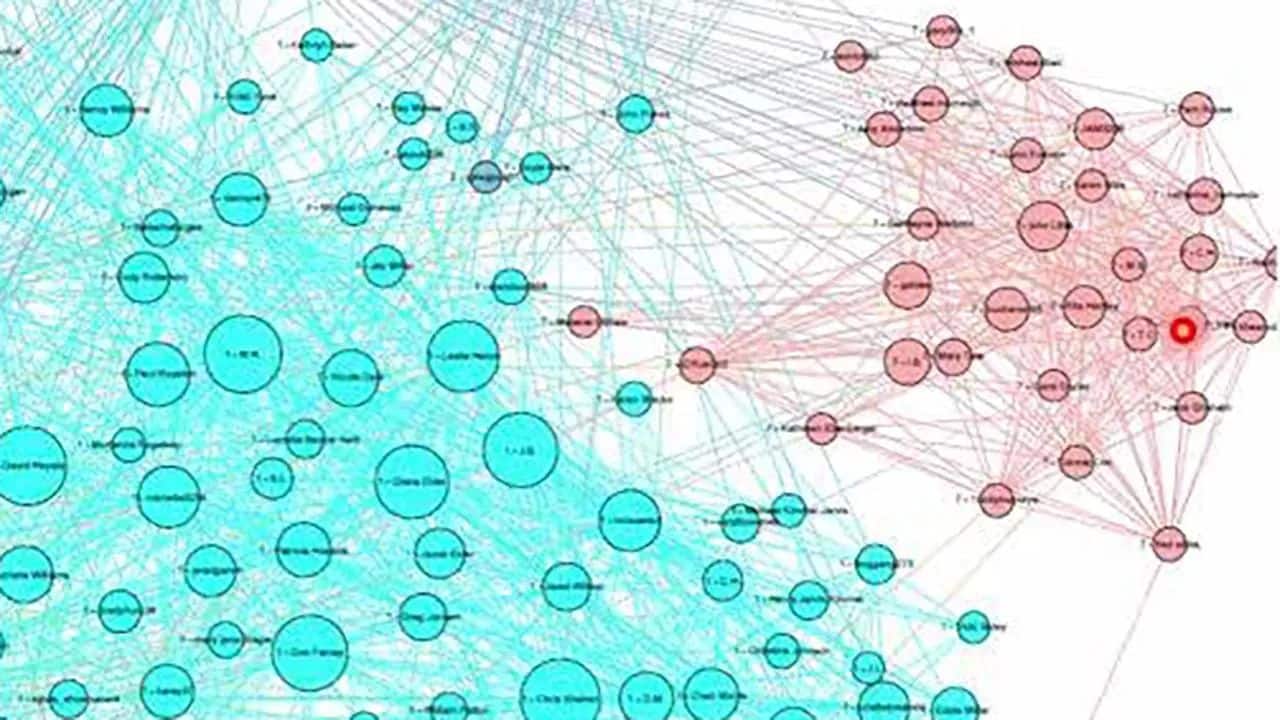
- Genetic Networks in Action: Attendees learn to build and interpret genetic clusters manually and using automated tools like Genetic Affairs, GEDmatch, and DNAGedcom. Elder highlights the importance of organizing DNA matches by maternal and paternal lines, utilizing features like shared matches and colored dot systems across various testing platforms.
- Power of Combining DNA and Documents: Through a compelling case study on Rachel Cox and her father Benjamin Cox, Elder demonstrates how DNA evidence, when paired with migration patterns, land records, tax rolls, and census data, can lead to conclusive proof of lineage. Her use of McGuire charts and shared centimorgan tools reinforces the importance of both visualizing and validating genetic relationships.
Finally, be sure to explore the rich collection of additional resources included in the webinar syllabus—including podcasts, blog articles, tools, and detailed guides. These materials are designed to support your journey in applying pedigree triangulation and solving even the most elusive family mysteries.
Related webinars
 01:03:14

 01:04:30
 00:51:43
 01:24:05
Comments (62)
Great information. I will watch again with the syllabus.
As a complete novice in this area, I got lost, overwhelmed, etc. Was still intriguing and perked my interest to investigate further.
Excellent information and suggestions!
This ties in beautifully with my current research project, and gives me ideas for strengthening my arguments when I get to the point of writing up my report. And gives me so many ideas for further research to do before I'm ready to write that report!
Interesting but since I’m pretty new to some of this, it was overwhelming. She is an excellent presenter and slides were great
Awesome and presented at a great speed thanks.
An truly excellent talk, beautifully paced with such clarity of explanation
Great info! I'm excited to go try some of these tools and techniques.