

Using Homestead Records to Tell Your Ancestor’s Story
Michelle Goodrum, CG®

Content

About this webinar
About the speaker

Key points and insights
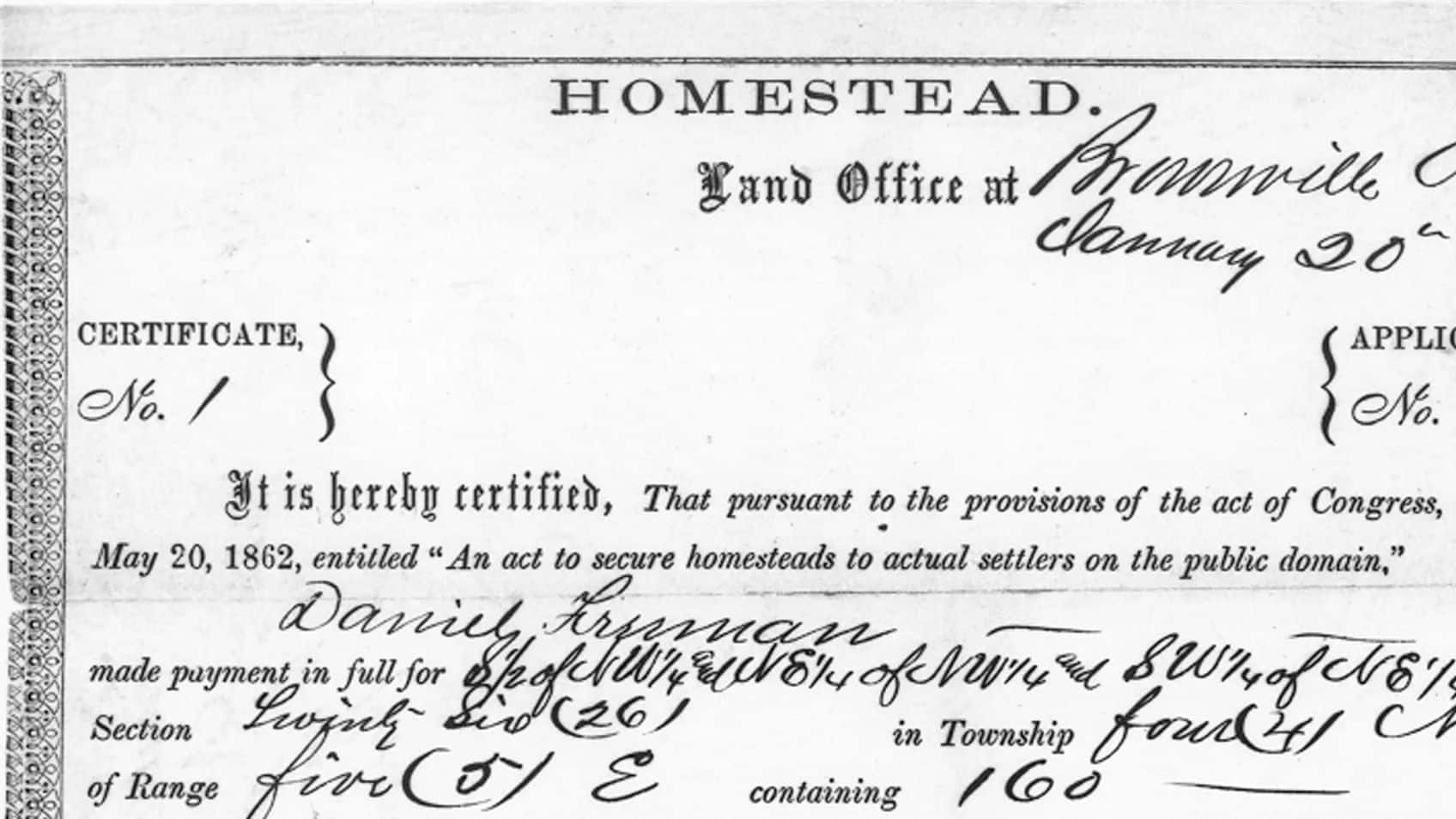
The webinar “Using Homestead Records to Tell Your Ancestor’s Story,” presented by certified genealogist Michelle Goodrum, explores how U.S. homestead records can transform dry land transactions into rich, narrative-driven family history. By unpacking the Homestead Act of 1862 and related land laws, the presentation shows how these files capture not only where an ancestor lived, but how they lived—revealing migration, kinship, occupation, community ties, and even personal conflict. For genealogists seeking to push their research beyond names and dates, this webinar demonstrates how homestead records can become a cornerstone source for building compelling ancestor stories.
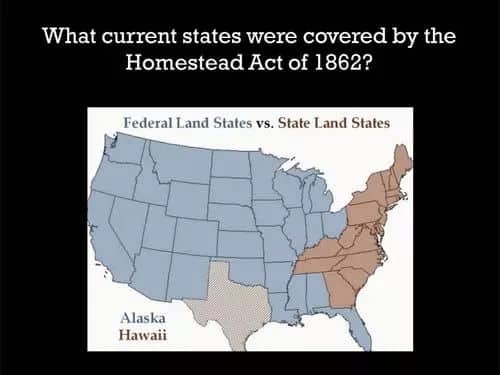
The session begins with a brief introduction to the Board for Certification of Genealogists and the standards that underpin sound genealogical work. Goodrum then explains what a homestead was, who qualified, and how the multi-step process—application, residence and improvement, and final proof—generated detailed case files. Along the way, she clarifies common misconceptions (such as assuming all federal land acquisitions were “homesteads”) and introduces earlier and related legislation, including the Donation Land laws and later acts like the Desert Land and Kincaid Acts.
A substantial portion of the webinar walks through real-world examples, illustrating the types of information homestead files can contain: ages, birthplaces, naturalization details, family relationships, military service, and community connections. Witness testimonies often describe homes, crops, livestock, weather, terrain, and seasonal movements, offering vivid glimpses into daily life. Goodrum’s case study of Nancy Robinson, a widowed woman who successfully used multiple homestead-related laws in Montana, shows how a single file can encompass disputes, legal hearings, economic strategies, and extended family networks.
The webinar concludes with practical guidance on determining whether an ancestor might have homesteaded, using the Bureau of Land Management website, working with tract books, and ordering case files from the National Archives. Helpful tips are also provided for organizing, inventorying, and analyzing long files so that key details are not overlooked.
Key insights include:
-
Homestead case files frequently contain rich biographical details—such as naturalization copies, family structure, and personal testimony—that can directly support proof arguments and narrative writing.
-
Studying neighbors, witnesses, and extended family in surrounding homestead files can reveal cluster relationships and social context that might not appear in more traditional records.
-
Understanding the specific land law used (Homestead, Donation, Enlarged Homestead, Stock Raising, etc.) is essential for interpreting requirements, timelines, and the kinds of evidence likely preserved.
To fully appreciate the examples, demonstrations, and research strategies shared, genealogists are encouraged to view the complete webinar. Exploring the additional resources in the syllabus—such as links, references, and step-by-step tools—can further enhance land record skills and open new avenues for discovering and telling ancestors’ stories.
Related webinars
 01:22:19
 01:23:59
 01:04:38
 00:57:38
 00:53:19
 01:17:43