
Where They Once Stood: Finding Your Immigrant Ancestor's Place of Origin
Elizabeth Williams Gomoll, CG®

Content

About this webinar
About the speaker

Key points and insights
Tracking down an immigrant ancestor’s exact place of origin—down to the village, parish, or even a farm name—can feel like the ultimate genealogical brick wall. In this Legacy Family Tree Webinars session, board-certified genealogist Elizabeth Gomoll lays out a practical, clue-driven roadmap for breaking through that wall by mining U.S. records and overlooked materials already at home. The webinar shows why pinpointing “where they once stood” matters: it unlocks overseas record sets, strengthens identity work, and can even make heritage travel meaningful and evidence-based.
-
Start with what is already within reach. Family memorabilia—letters, envelopes with postmarks, photo captions, books with inscriptions, trunks with addresses, family Bibles, oral history recordings, and undocumented compilations—often hold small, easily missed details that point to a specific locality (or reveal near-misses that need correcting).
-
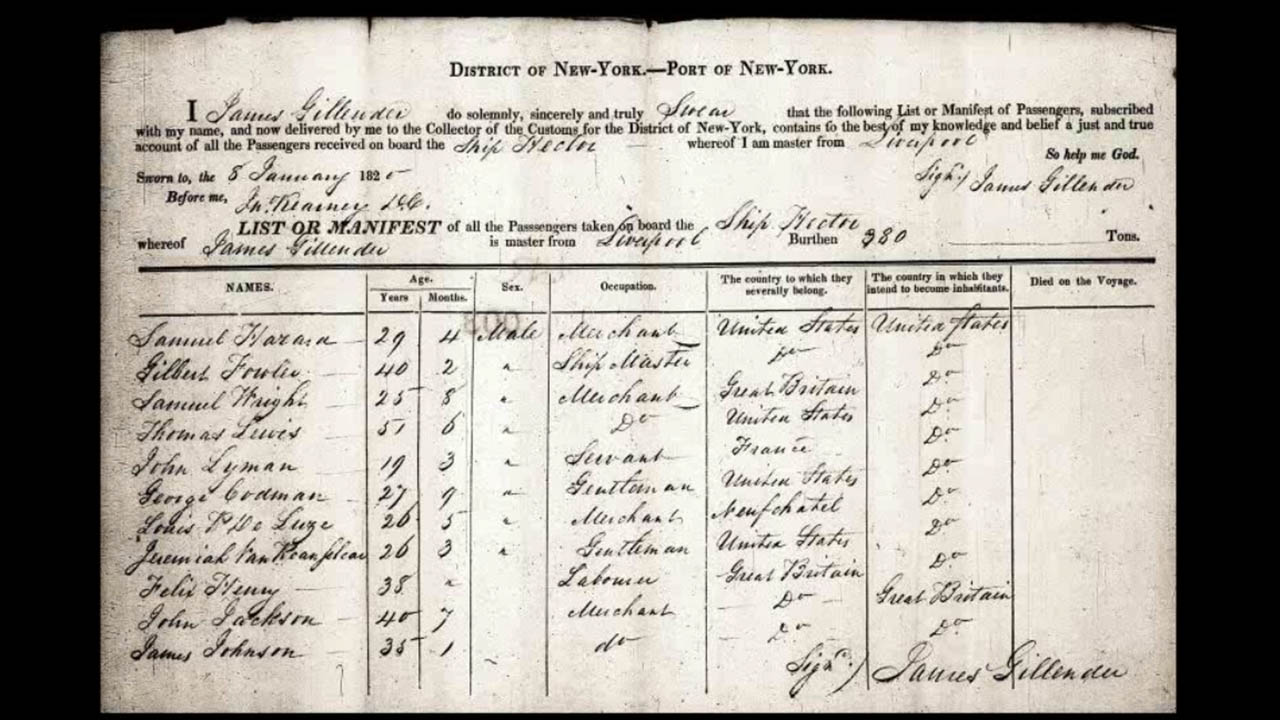
Use online sources strategically, not randomly. The session highlights targeted tools and record types that can surface a hometown clue: advanced search approaches, specialized immigration databases, later passenger manifests with relatives’ addresses, passports, draft registrations, burial platforms, and especially newer discovery methods like full-text search that can uncover “hidden mentions” in legal and local records.
-
Research smarter when the trail goes cold. Emphasis is placed on collateral relatives and the FAN Club (friends, associates, neighbors), chain migration patterns, and flexible name handling (spelling shifts, Americanization, patronymics, farm names, diacritics). DNA cousin matches are presented as a powerful modern assist when paper records stay stubbornly vague.
Viewing the full webinar is the fastest way to absorb the complete workflow, see the record examples in context, and learn the subtle “gotchas” that commonly derail origin research—such as relying on indexes instead of originals, assuming a port of arrival, or overlooking page two of key documents. For deeper progress, the syllabus is worth opening alongside the replay: it gathers the referenced websites, search tips, and recommended repositories in one place, making it easy to turn promising clues into a repeatable research plan.
Related webinars
 01:15:47
 01:23:02

 01:04:55
 01:22:47