
Foundations in AI for Family History 1 of 5: What Is AI and Why It Matters to Genealogists
Andrew Redfern, Fiona Brooker

Content

About this webinar
About the speakers


Key points and insights
A lively, practical kickoff to the “AI for Genealogists” series, this webinar orients family historians to what artificial intelligence actually is—and why it matters right now. Rather than treating AI as a mystery box or a brick-wall “answer machine,” the presenters frame it as a research partner that can speed up repetitive work, reveal patterns across documents, and help transform scattered notes into usable research outputs. Along the way, the session blends plain-language explanations with hands-on demonstrations, making it especially relevant for genealogists who want to experiment confidently while protecting research quality and standards.
-
AI basics, without the jargon overload: Clear distinctions are drawn between artificial intelligence, machine learning, large language models, and generative AI—plus an easy-to-grasp explanation of how text-based tools “predict” likely word patterns, which is exactly why results can sound convincing even when they are wrong.
-
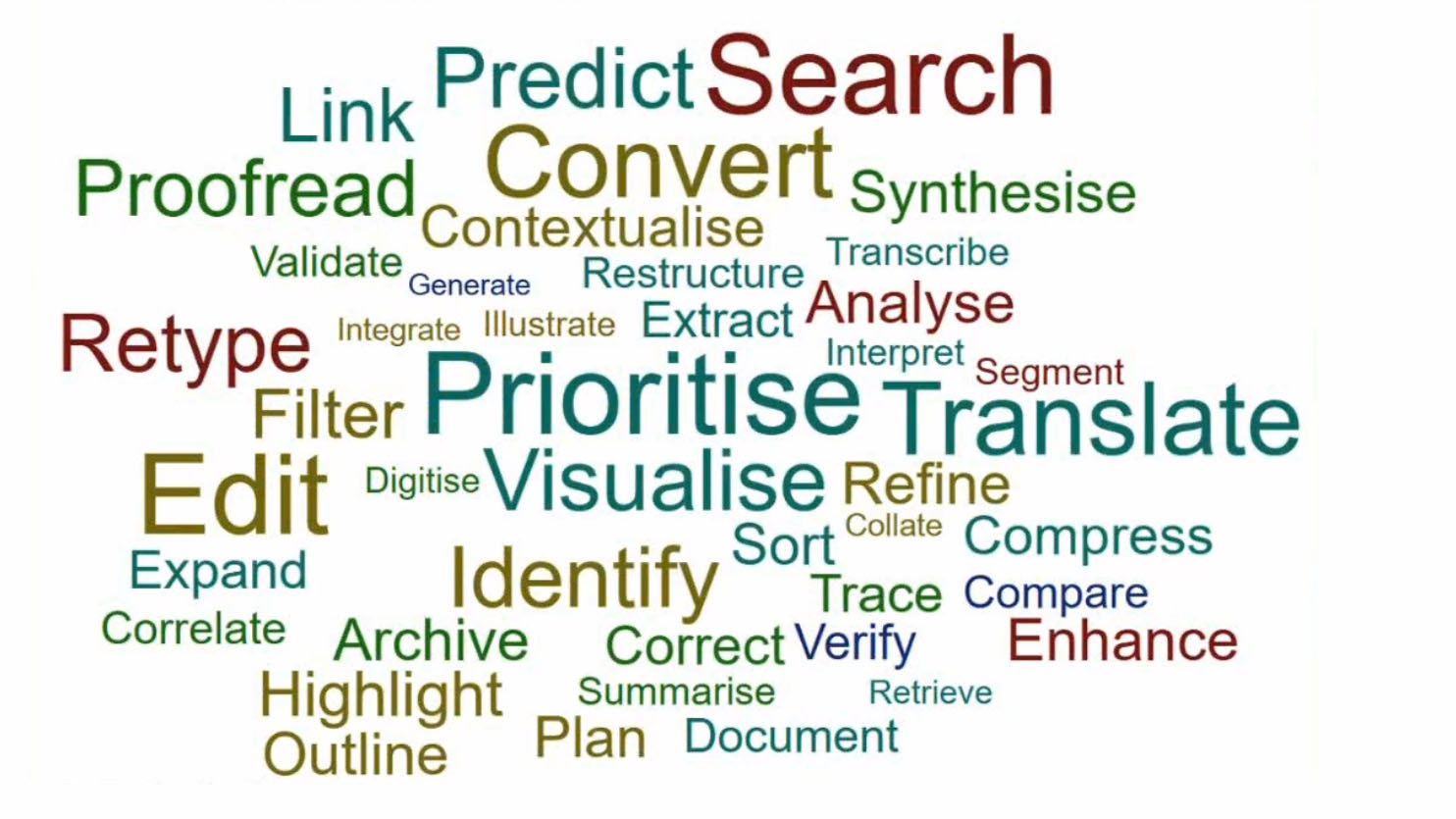
A realistic “human + AI” workflow: Tasks are compared to show where AI can shine (organizing details into tables/timelines, spotting OCR/transcription oddities, extracting names/places/relationships) and where human judgment remains essential (context, ethics, identity decisions, and evaluating whether two records truly refer to the same person).
-
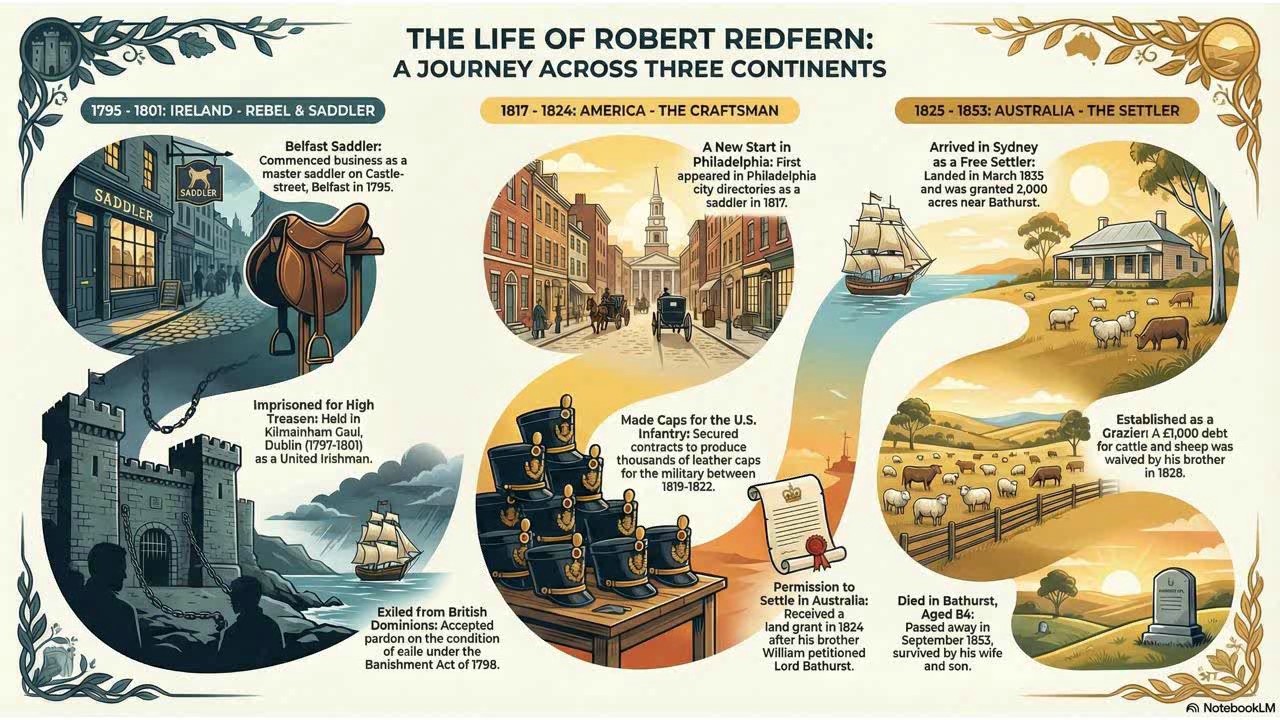
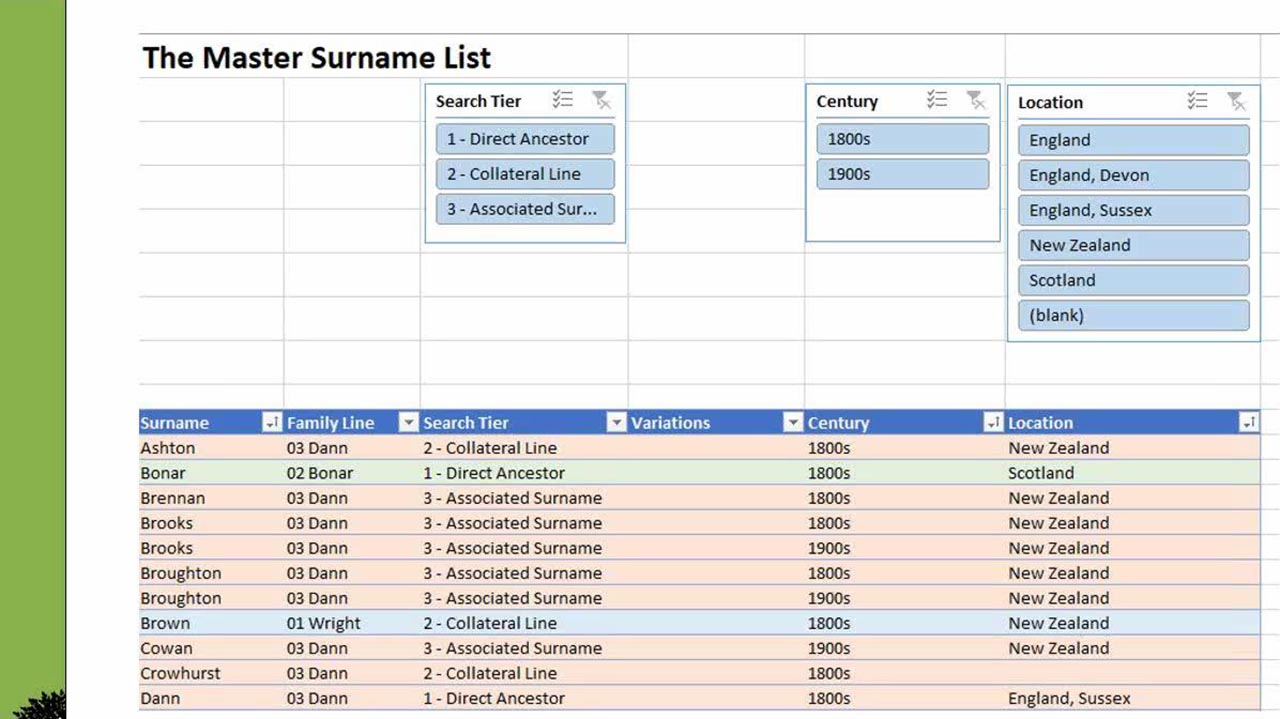
Immediately usable demonstrations and guiding principles: Practical examples show how to turn existing research into a draft biography, clean up messy text from a newspaper clipping, extract people mentioned and structure them into a table, and transcribe a handwritten document image—paired with core habits such as iterating in small steps, constraining sources, shaping outputs, and verifying carefully.
The strongest theme is responsible acceleration: AI can dramatically reduce time spent retyping, reformatting, and reorganizing information, freeing more attention for analysis, correlation, and proof. That benefit becomes even clearer when viewing the full webinar, which includes the step-by-step walkthroughs, prompt examples, and the nuance behind the “generate options, not answers” approach—ideal for building confidence before the upcoming sessions on prompting, ethics, tools, and integrating AI into a repeatable workflow.
To get the most value, watch the complete webinar and work through the activities alongside it—then explore the additional resources in the syllabus, designed to function like a build-as-you-go workbook that supports ongoing practice and keeps techniques current.
Related webinars
 01:03:14
 01:14:11
 00:50:5400:50:54
 01:18:3101:18:31
 00:19:06
 01:29:38