
Written in Stone: In-Depth Study of a Gravestone
Gena Philibert-Ortega

Content

Welcome
3m 13s
Speaker's Introduction
1m 38s
Introduction
6m 19s
Analyzing a Gravestone
3m 0s
History of the Cemetery
3m 36s
The Marker
11m 37s
Types of Cemeteries
8m 40s
Imagery and Epitaphs
11m 35s
Case Studies
15m 34s
Announcements / prizes
8m 19s
Questions / answers
13m 36s
About this webinar
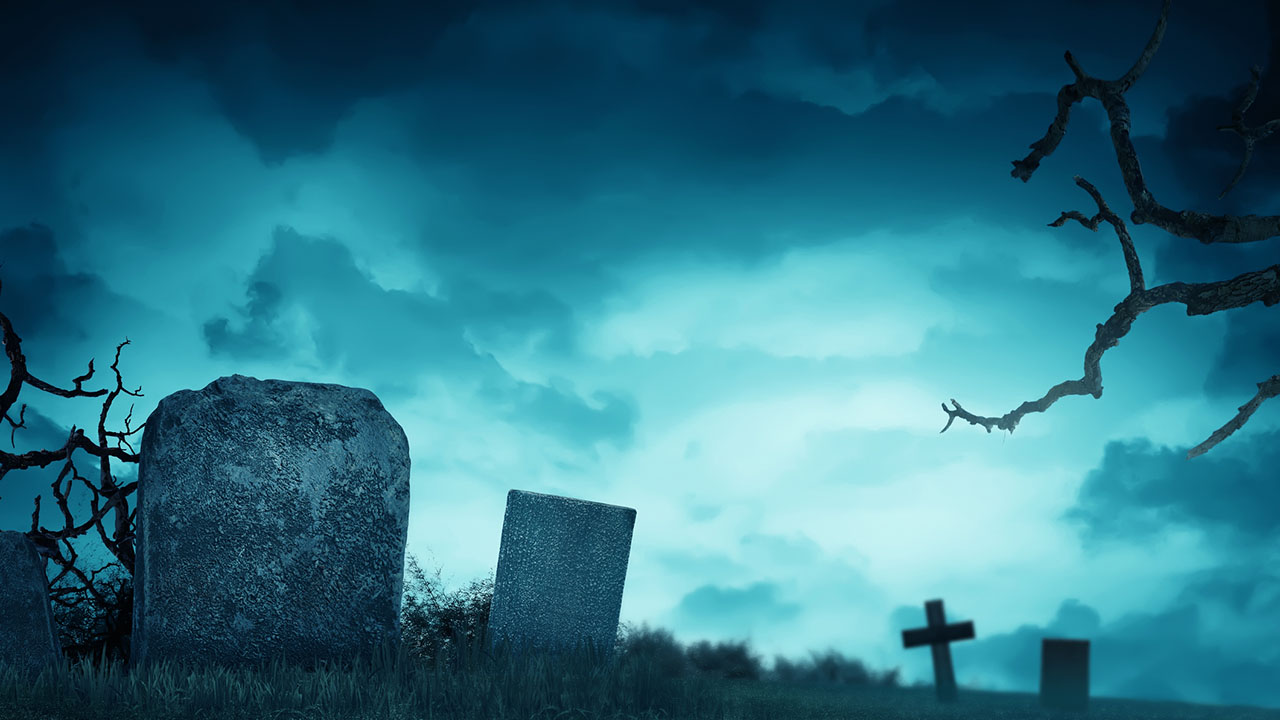
Genealogists use gravestone information to document death information, but oftentimes, a burial marker provides more than biographical information. Gravestones, like any record, should be analyzed but to do so requires one to think beyond genealogical research. In this presentation, we will explore types of cemeteries, the anatomy of a marker, and the “hidden” information the marker provides.
About the speaker

Gena Philibert-Ortega is an author, researcher, and instructor whose focus is genealogy, social and women's history. She holds a Master’s degree in Interdisciplinary Studies (Psychology and Women's St...
Learn more...Related webinars
 00:49:37
 00:54:01
 00:47:10
 01:22:29
 00:07:43
 00:05:15
 00:06:36
Comments (78)
Gena had great ideas on how to delve deeper into cemetery research.
Love the webinar - thanks so much! There was a question of reading the old stones inscriptions. One tip that most people don't think of is the position of the sun. Especially for the old white stones if the sun is coming from the side the letters will pop, compared to the sun hitting straight on which will make it harder to read. And of course never having the sun at the back which creates a shadow on the words. Typically here the stones are best viewed in the morning, older stones around noon and the backs of the stones in the afternoon. I have photographed the same stone on the same day - one you can barely read and one is very clear. Hope this helps
Gena has now written my directions for grave research in STONE
So interesting...thank you!
it made me think about assumptions (or lack of attention) I may have made. It showed there was so much more to the marker than I had ever thought about.
Very informative.
Gena has a pleasant voice speaking throughout the presentation. Her organization and details are appreciated and easy to follow.
I look forward to a future webinar by her when she has time to focus on one specific topic that she mentioned in today's webinar. In other words...I want to learn more! For instance, I had no idea the the American Government provided headstones for the northern soldiers during the Civil War, but not for Southern soldiers until 1906.